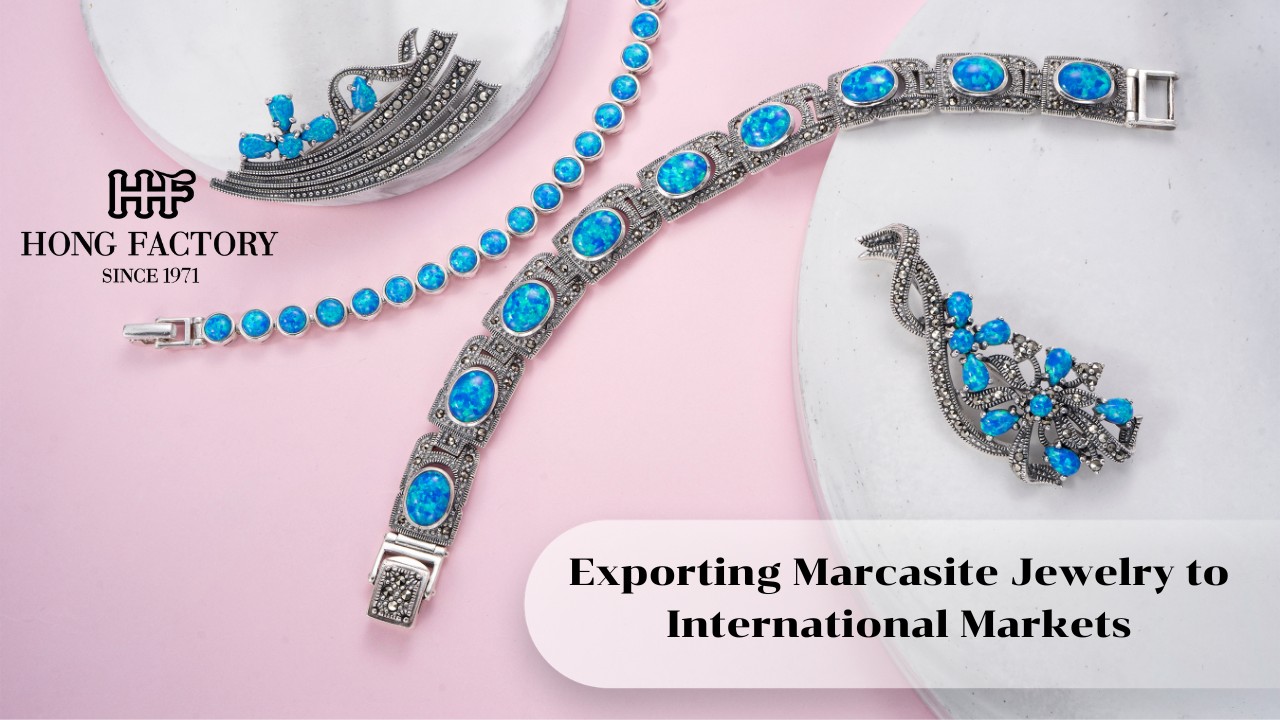
Exporting marcasite jewelry to international markets offers significant growth opportunities for manufacturers and brands. With rising global interest in vintage aesthetics, sustainable fashion, and handcrafted jewelry, marcasite has strong appeal across regions. However, successful exporting requires more than quality products—it demands compliance, market understanding, logistics planning, and consistent branding. Marcasite jewelry
This article explores exporting marcasite jewelry to international markets, covering regulations, documentation, market selection, logistics, and best practices for long-term success.
Why Export Marcasite Jewelry?

Global demand continues to expand.
International Market Advantages
- Access to larger customer bases
- Diversification of revenue streams
- Higher perceived value in certain regions
- Reduced dependence on local markets
Exporting strengthens brand resilience.
Identifying the Right Export Markets
Market selection determines success.
High-Potential Regions
- Europe: strong appreciation for vintage and heritage jewelry
- North America: demand for sustainable and artisanal products
- East Asia: growing interest in silver and heritage designs
- Middle East: preference for statement and luxury accessories
Understanding cultural preferences is essential.
Understanding Import Regulations and Compliance
Compliance is non-negotiable.
Common Regulatory Requirements
- Metal content disclosure (sterling silver 925)
- Country-of-origin labeling
- Nickel and allergy compliance (EU regulations)
- Hallmarking standards in certain countries
Non-compliance can lead to shipment rejection.
Export Documentation Essentials
Accurate paperwork prevents delays.
Required Export Documents
- Commercial invoice
- Packing list
- Certificate of origin
- Customs declaration forms
- Insurance documentation
Proper documentation ensures smooth customs clearance.
Tariffs, Duties, and Tax Considerations
Costs vary by destination.
Financial Planning Factors
- Import duties and tariffs
- Value-added tax (VAT)
- Free trade agreements
Understanding total landed cost protects margins.
Packaging Standards for International Shipping
Packaging protects value.
Jewelry-Specific Packaging Needs
- Anti-tarnish protection
- Shock-resistant packaging
- Secure sealing
- Discreet external labeling
Professional packaging reduces damage and returns.
Logistics and Shipping Methods
Choosing the right logistics partner is critical.
Shipping Options
- Express couriers for high-value shipments
- Freight forwarding for bulk orders
- Insured shipping for valuable goods
Reliable logistics partners protect brand reputation.
Managing Lead Times and Delivery Expectations
International buyers expect clarity.
Best Practices
- Set realistic production timelines
- Communicate shipping schedules clearly
- Account for customs clearance time
Clear expectations build trust.
Pricing Strategy for Export Markets
Export pricing requires careful planning.
Pricing Considerations
- Currency exchange rates
- Local market positioning
- Distributor margins
- Additional compliance costs
Strategic pricing ensures competitiveness.
Wholesale vs Direct Export Models
Export structure matters.
Wholesale Export
- Larger volume orders
- Lower per-unit margins
- Reduced marketing responsibility
Direct-to-Market Export
- Higher margins
- Greater brand control
- Increased operational complexity
Choosing the right model depends on resources.
Working with International Distributors
Partnerships can accelerate growth.
Distributor Selection Criteria
- Market knowledge
- Retail network strength
- Brand alignment
- Transparent communication
Strong partners expand reach efficiently.
Cultural Adaptation and Market Localization

Localization improves acceptance.
Localization Strategies
- Adjust design preferences
- Tailor marketing messages
- Provide localized packaging and documentation
Cultural sensitivity increases success.
Quality Control for Export Orders
Export quality must be flawless.
Export QC Standards
- Additional inspection layers
- Secure stone setting verification
- Packaging inspection
Higher QC reduces costly international returns.
Managing Risk in International Trade
Risk management protects operations.
Common Export Risks
- Payment delays
- Shipping damage or loss
- Regulatory changes
Risk mitigation strategies are essential.
Payment Terms and Currency Management
Financial control matters.
Secure Payment Practices
- Letters of credit
- Advance payments
- Currency hedging strategies
Clear terms protect cash flow.
Branding and Storytelling in Global Markets
Story adds value.
International Brand Positioning
- Emphasize craftsmanship and heritage
- Highlight sustainability
- Communicate authenticity clearly
Strong storytelling differentiates marcasite jewelry.
Sustainability and Ethical Considerations
Global buyers value responsibility.
Ethical Export Practices
- Fair labor disclosure
- Responsible sourcing
- Environmental awareness
Ethical positioning strengthens global trust.
Scaling Export Operations
Growth requires preparation.
Scaling Strategies
- Standardize processes
- Expand production capacity responsibly
- Strengthen logistics partnerships
Scalable systems support long-term growth.
Measuring Export Performance
Data drives improvement.
Key Export Metrics
- Export sales growth
- On-time delivery rates
- Return and defect ratios
- Market-specific profitability
Monitoring metrics ensures optimization.
Conclusion
Exporting marcasite jewelry to international markets offers powerful growth opportunities when approached strategically. By understanding regulatory requirements, selecting the right markets, managing logistics carefully, and maintaining exceptional quality standards, brands can build sustainable global presence. With thoughtful planning and strong partnerships, marcasite jewelry can successfully reach international audiences while preserving the craftsmanship and authenticity that define its value.