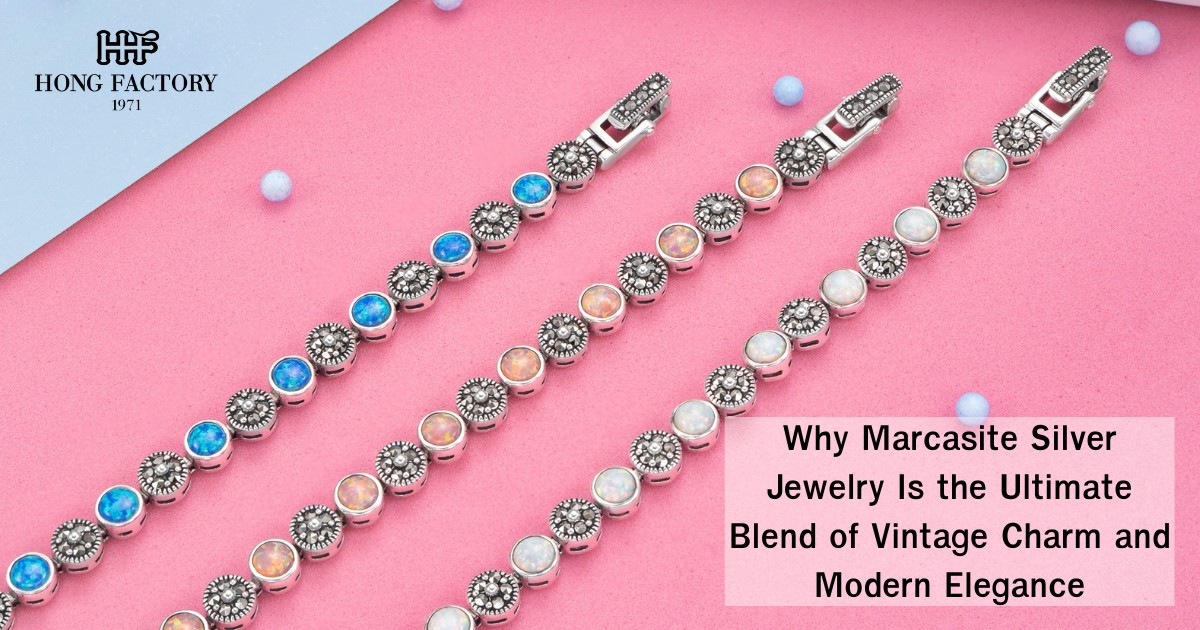
What Is Marcasite Silver Jewelry?
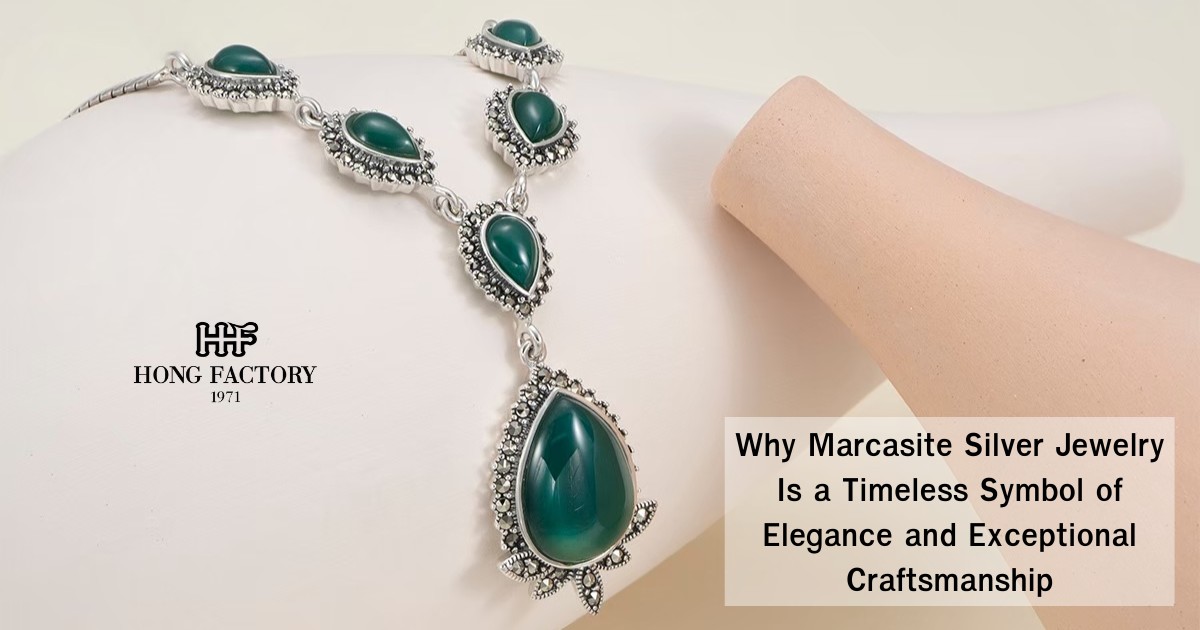
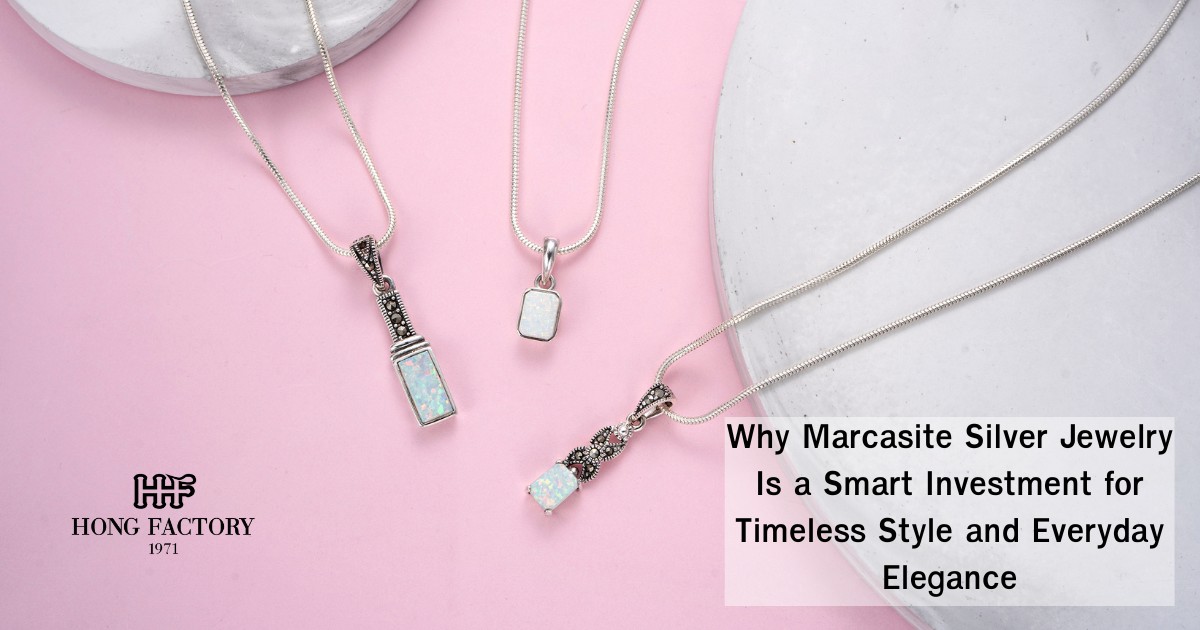
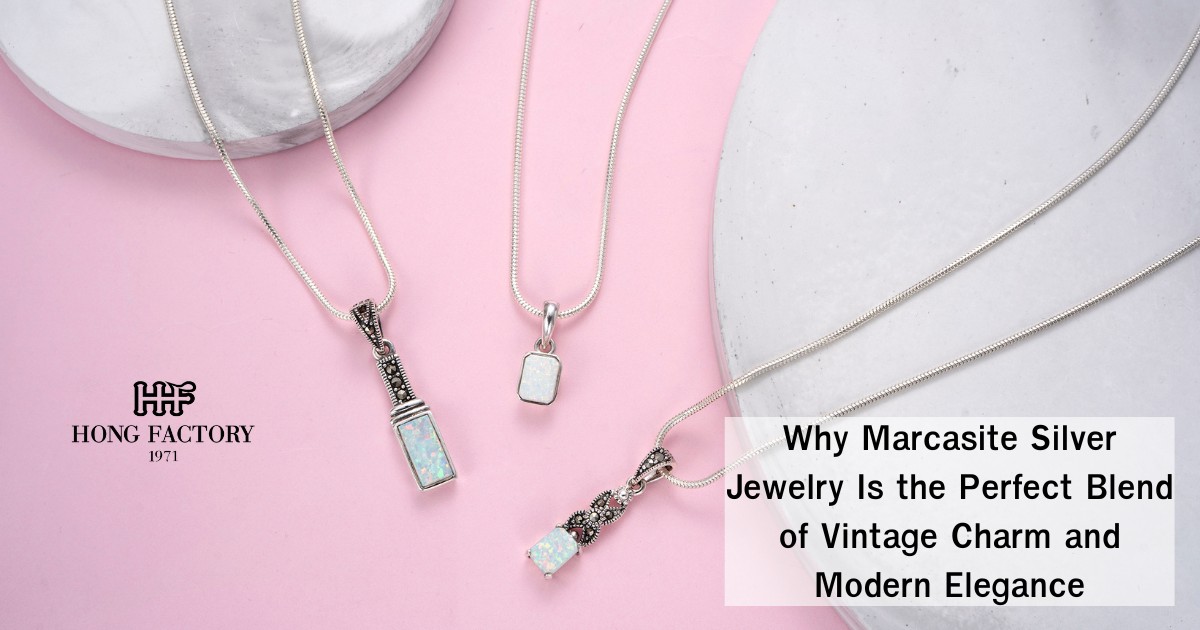
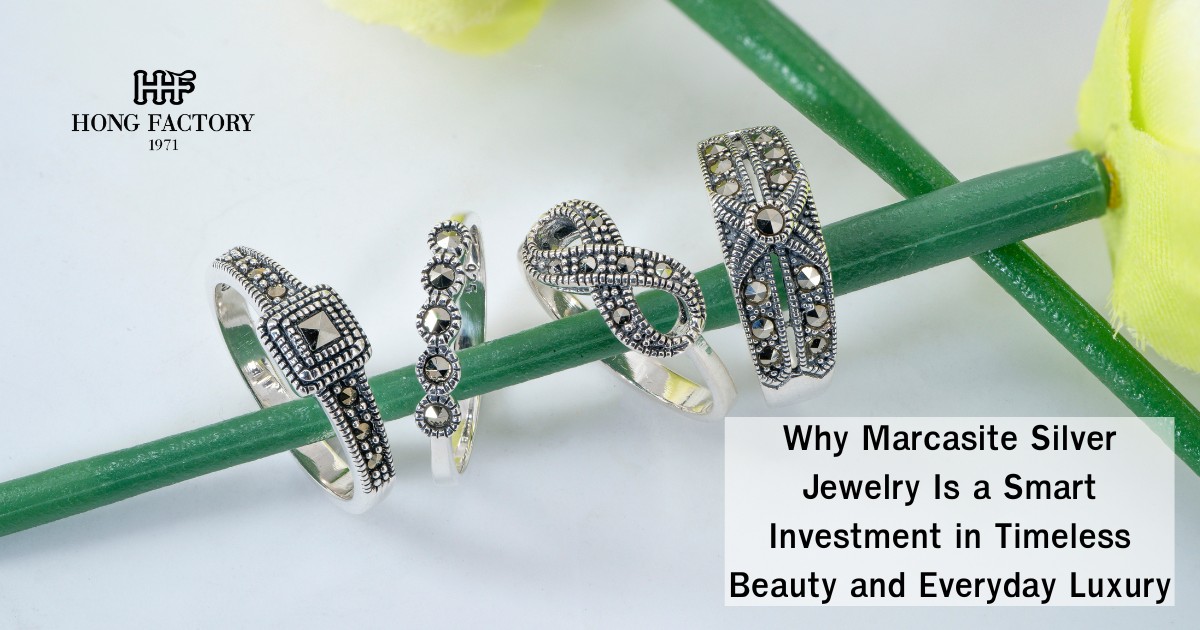
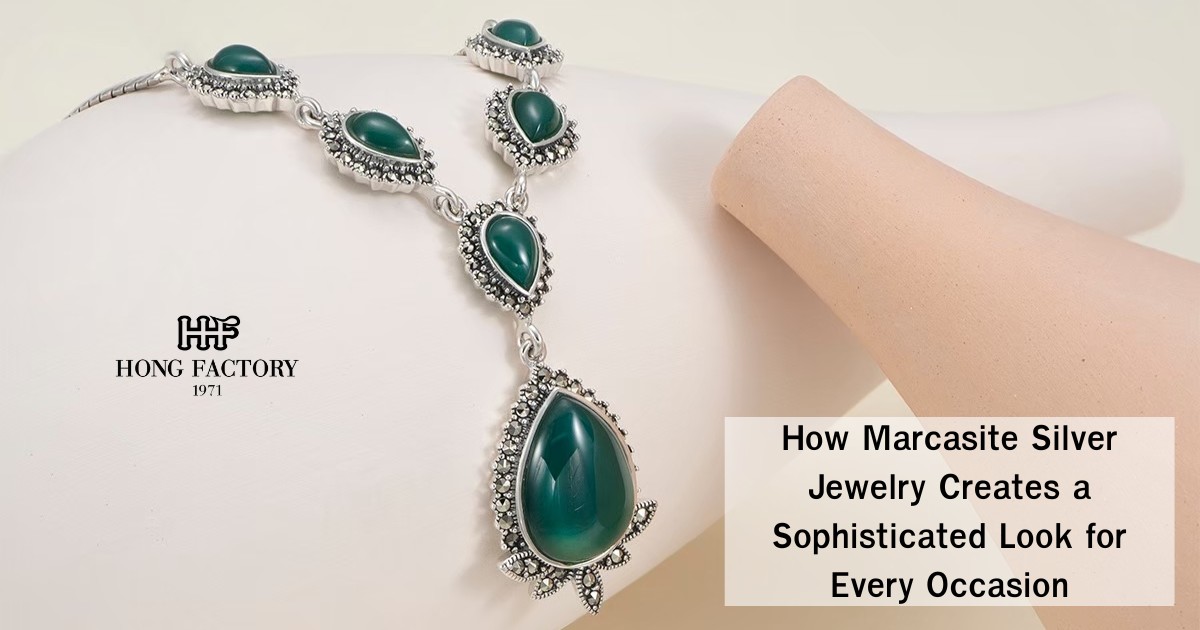
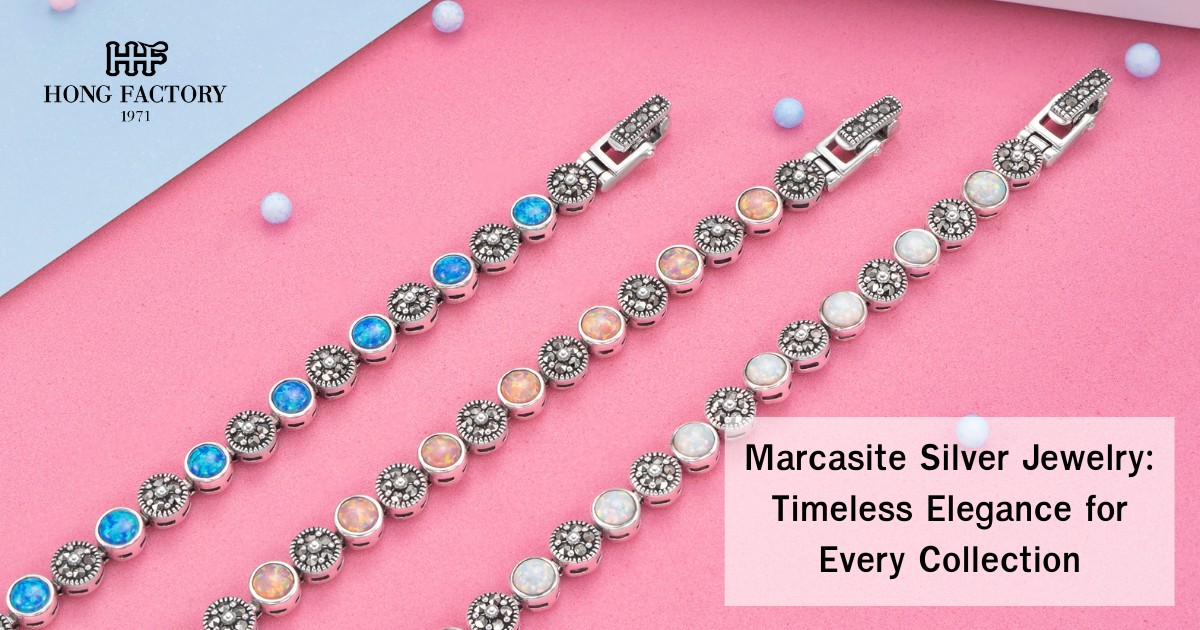
Marcasite silver jewelry has remained a favorite among jewelry enthusiasts for generations because it combines vintage charm with timeless sophistication. Crafted from sterling silver and adorned with sparkling marcasite stones, these pieces offer a distinctive appearance that never goes out of style. Whether you are looking for an elegant accessory for everyday wear or a statement piece for special occasions, marcasite silver jewelry provides exceptional versatility.
Unlike many fashion accessories that follow short-lived trends, marcasite jewelry continues to appeal to people who appreciate classic craftsmanship. Its subtle sparkle, intricate detailing, and antique-inspired finishes make every piece unique. Rings, earrings, necklaces, pendants, bracelets, and brooches can all feature marcasite, allowing collectors to build a coordinated jewelry collection with ease.
The History Behind Marcasite Jewelry
Marcasite has been admired for centuries. Although the gemstone used in modern jewelry is actually pyrite, the traditional name “marcasite” has remained popular in the jewelry industry. During the Victorian era, marcasite jewelry became especially fashionable because of its elegant appearance and affordable luxury.
Art Deco designers later embraced marcasite for its geometric patterns and refined style. Today, many jewelry makers continue to draw inspiration from these historical periods while introducing modern designs that suit contemporary fashion.
The enduring popularity of marcasite silver jewelry demonstrates that beautiful craftsmanship never loses its appeal.
Why Sterling Silver Is the Perfect Match
Sterling silver is one of the most popular precious metals used in jewelry manufacturing. When paired with marcasite stones, it creates a sophisticated combination that highlights the metallic sparkle of the stones.
Some advantages of sterling silver include:
- Elegant bright finish
- Excellent durability with proper care
- Comfortable for everyday wear
- Suitable for both casual and formal occasions
- Complements many gemstones and design styles
The cool tone of sterling silver enhances the shimmering effect of marcasite, making every design appear refined without being overly flashy.
Popular Types of Marcasite Silver Jewelry
Marcasite silver jewelry comes in a wide variety of styles to suit different tastes and occasions.
Marcasite Silver Rings
Rings remain one of the most popular choices. They range from delicate vintage-inspired bands to bold cocktail rings featuring intricate stone arrangements.
Marcasite Earrings
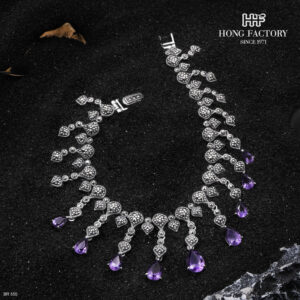
Stud earrings provide understated elegance, while drop earrings create graceful movement. Hoop and chandelier styles add a dramatic touch for evening wear.
Marcasite Necklaces
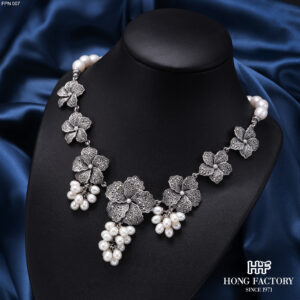
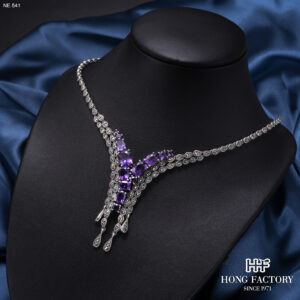
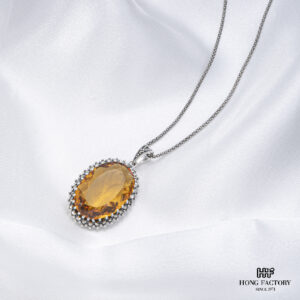
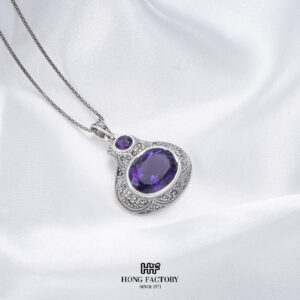
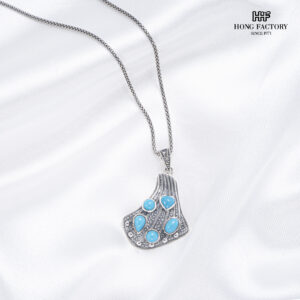
Necklaces often feature floral, heart, geometric, or vintage-inspired pendants. Layering different chain lengths creates a fashionable modern look.
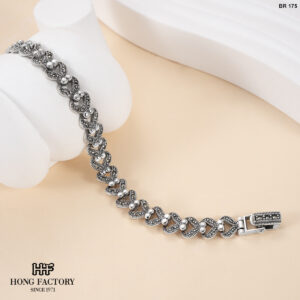
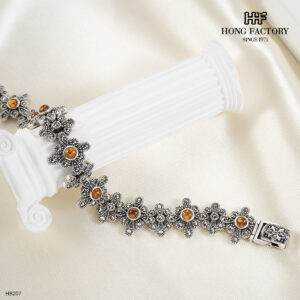
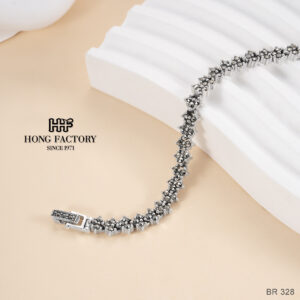
Marcasite Bracelets
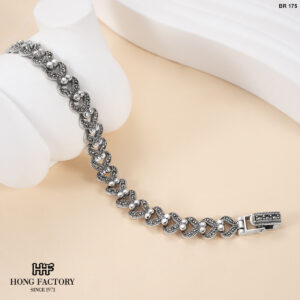
Bracelets showcase detailed craftsmanship through linked designs, floral motifs, or classic tennis bracelet styles.
Marcasite Brooches
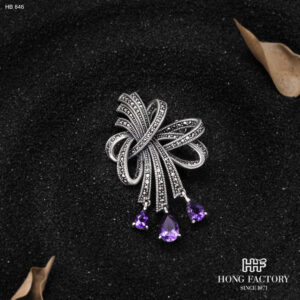
Brooches remain popular among collectors who appreciate traditional jewelry. Many feature nature-inspired designs such as flowers, butterflies, birds, or leaves.
How Marcasite Silver Jewelry Complements Different Styles
One reason for the lasting popularity of marcasite silver jewelry is its versatility.
Classic wardrobes benefit from elegant marcasite earrings or necklaces that add sophistication without overwhelming an outfit.
Vintage-inspired fashion pairs naturally with marcasite’s antique appearance, making it ideal for lace dresses, tailored jackets, or heritage-style clothing.
Minimalist outfits gain subtle character from a single marcasite ring or pendant, while formal evening attire can be elevated with coordinated jewelry sets.
Because sterling silver features a neutral tone, marcasite jewelry also works well alongside black, white, navy, pastel, and earth-tone clothing.
Choosing High-Quality Marcasite Silver Jewelry
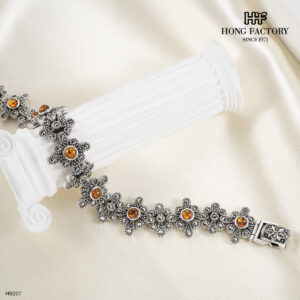
Several factors indicate quality craftsmanship.
First, check whether the jewelry is made from genuine sterling silver, commonly marked with a “925” stamp.
Second, inspect the setting of each marcasite stone. Properly secured stones reduce the likelihood of loosening during regular wear.
Third, examine the finishing details. Smooth polishing, balanced symmetry, and clean craftsmanship are signs of experienced jewelry making.
Finally, purchase from reputable jewelers who provide clear product descriptions and information about materials.
How to Care for Marcasite Silver Jewelry
Proper maintenance helps preserve the beauty of your jewelry for many years.
Store each piece separately in a soft jewelry pouch or lined box to minimize scratches.
Avoid exposing the jewelry to perfumes, lotions, hairspray, chlorine, or household cleaning chemicals.
After wearing, gently wipe the silver with a soft polishing cloth to remove oils and moisture.
Keep the jewelry in a cool, dry environment to help reduce silver tarnishing.
Regular gentle cleaning is usually sufficient to maintain the attractive appearance of both the sterling silver and the marcasite stones.
Styling Tips for Everyday Wear
Marcasite silver jewelry can easily become part of your daily wardrobe.
A simple pendant necklace pairs beautifully with office attire.
Small marcasite stud earrings offer elegance without appearing excessive.
Layer delicate sterling silver chains for a contemporary look while keeping the overall style balanced.
Combine a marcasite bracelet with a classic wristwatch to create a refined accessory combination.
The subtle sparkle of marcasite makes it suitable for professional settings, weekend outings, dinner parties, and formal celebrations alike.
Gift Ideas Featuring Marcasite Silver Jewelry
Marcasite jewelry makes a thoughtful gift because of its timeless appeal.
Popular occasions include birthdays, anniversaries, graduations, Mother’s Day, Valentine’s Day, and holiday celebrations.
Personalized selections based on the recipient’s favorite jewelry style can make the gift even more meaningful. Matching sets containing earrings and necklaces are especially popular for milestone celebrations.
Elegant presentation in a quality jewelry box adds an extra touch of sophistication.
Why Marcasite Silver Jewelry Continues to Be Popular
Fashion trends change constantly, yet marcasite silver jewelry continues to attract new generations of jewelry lovers.
Its popularity stems from several qualities:
- Timeless vintage appeal
- Intricate craftsmanship
- Affordable luxury
- Versatile styling options
- Excellent compatibility with sterling silver
- Suitable for collectors and everyday wearers alike
These characteristics allow marcasite jewelry to remain fashionable across different ages and personal styles.
Building a Timeless Jewelry Collection
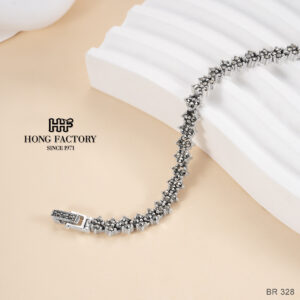
Many collectors begin with a single ring or pendant before expanding into a complete collection.
A balanced collection may include:
- Everyday stud earrings
- A statement pendant necklace
- A classic bracelet
- One elegant ring
- A vintage-inspired brooch for special occasions
Because the designs coordinate naturally, each new piece complements those already in the collection.
Conclusion
Marcasite silver jewelry represents a perfect balance of elegance, craftsmanship, and timeless design. Its combination of sterling silver and sparkling marcasite creates sophisticated accessories that remain stylish year after year. Whether you appreciate vintage fashion, modern minimalism, or classic elegance, marcasite jewelry offers remarkable versatility for every wardrobe.
By selecting well-crafted sterling silver pieces and following proper care practices, you can enjoy the beauty of marcasite silver jewelry for many years. From everyday accessories to treasured heirlooms, these distinctive pieces continue to demonstrate why timeless design never goes out of fashion.
Primary Keywords
- marcasite silver jewelry
- marcasite silver
- sterling silver marcasite
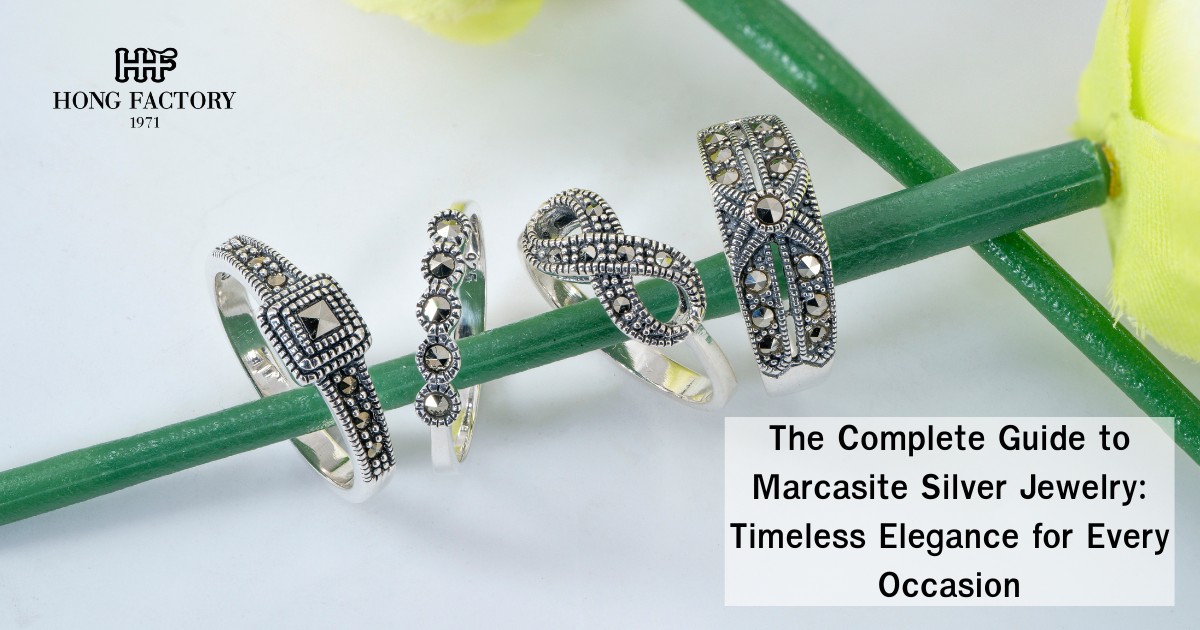
Introduction
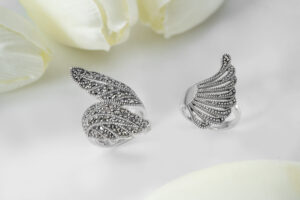
Marcasite silver jewelry has remained one of the most admired styles in the world of fine accessories for generations. Combining the brilliance of genuine sterling silver with the delicate sparkle of marcasite stones, these elegant pieces offer a perfect balance of classic beauty, everyday versatility, and exceptional craftsmanship. Unlike fashion accessories that come and go with seasonal trends, marcasite jewelry continues to appeal to people who appreciate timeless design and lasting quality.
Whether you are beginning your first jewelry collection, searching for a meaningful gift, or expanding an existing selection of fine accessories, sterling silver marcasite jewelry offers remarkable flexibility. From simple everyday earrings to sophisticated necklaces and vintage-inspired brooches, every piece reflects artistry that never goes out of style.
This complete guide explores everything you should know about marcasite silver jewelry, including its history, craftsmanship, styling possibilities, care tips, and reasons why it remains a timeless favorite around the world.
Primary Keywords
- marcasite silver jewelry
- sterling silver marcasite
- marcasite jewelry guide
What Is Marcasite Silver Jewelry?
Marcasite silver jewelry is crafted using genuine sterling silver as the base metal and accented with carefully cut marcasite stones.
This combination creates jewelry known for:
- Elegant metallic sparkle
- Intricate craftsmanship
- Vintage-inspired design
- Comfortable wear
- Long-lasting beauty
Its refined appearance makes it suitable for nearly every occasion.
The History of Marcasite Jewelry
For centuries, marcasite-inspired designs have been associated with elegance and artistic craftsmanship.
Many modern collections draw inspiration from historical periods such as:
- Victorian
- Edwardian
- Art Deco
These influences continue to shape today’s jewelry while introducing improved comfort and durability for modern lifestyles.
Why Sterling Silver Is the Perfect Choice
Sterling silver contains 92.5% pure silver, making it one of the most trusted materials in jewelry making.
Its advantages include:
- Bright natural shine
- Excellent durability
- Easy maintenance
- Comfortable everyday wear
- Timeless elegance
The polished silver surface beautifully highlights the shimmer of marcasite stones.
The Beauty of Marcasite Stones
Marcasite is appreciated for its subtle brilliance rather than bold sparkle.
Its unique appearance provides:
- Elegant texture
- Soft metallic reflection
- Vintage charm
- Decorative detail
- Balanced sophistication
This understated beauty allows the jewelry to complement rather than overpower an outfit.
Popular Types of Marcasite Silver Jewelry
A complete collection often includes several versatile accessories.
Popular choices are:
Pendant Necklaces
Perfect for everyday elegance and easy layering.
Stud Earrings
Comfortable, lightweight, and suitable for daily wear.
Drop Earrings
Ideal for formal occasions and evening events.
Bracelets
Elegant additions to both casual and professional wardrobes.
Rings
Classic designs that can become signature everyday accessories.
Brooches
Vintage-inspired statement pieces that add personality to jackets, scarves, and dresses.
How to Style Marcasite Silver Jewelry
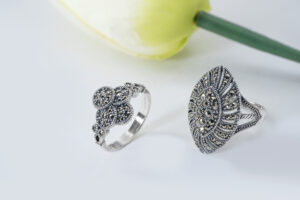
The versatility of sterling silver makes styling effortless.
Casual Outfits
Pair pendant necklaces with denim and cotton clothing.
Business Wear
Choose stud earrings and slim bracelets with tailored suits.
Evening Fashion
Wear statement necklaces or decorative earrings with elegant dresses.
Special Celebrations
Matching jewelry sets create polished and sophisticated appearances.
Because sterling silver complements nearly every color, these accessories remain useful throughout the year.
Building a Timeless Jewelry Collection
Begin with everyday essentials before expanding your collection.
Recommended foundation pieces include:
- Pendant necklace
- Stud earrings
- Bracelet
- Ring
Later additions may include:
- Statement necklace
- Decorative brooch
- Drop earrings
- Coordinated jewelry set
This approach creates maximum versatility while maintaining a consistent style.
Recognizing High-Quality Jewelry
Quality craftsmanship ensures long-term satisfaction.
Before purchasing, examine:
- Genuine 925 sterling silver
- Secure marcasite settings
- Smooth polished finishes
- Reliable clasps
- Balanced construction
Buying well-crafted jewelry provides lasting beauty and durability.
Caring for Marcasite Silver Jewelry
Proper maintenance helps preserve every piece.
Follow these simple care habits:
- Wipe jewelry after wearing with a soft polishing cloth.
- Store pieces separately.
- Avoid harsh chemicals and perfumes.
- Remove jewelry before swimming or exercising.
- Keep jewelry in a cool, dry location.
Regular care protects both sterling silver and marcasite stones.
Why Marcasite Silver Jewelry Makes a Perfect Gift
Its timeless elegance makes marcasite jewelry suitable for almost every celebration.
Ideal occasions include:
- Birthdays
- Anniversaries
- Graduations
- Mother’s Day
- Valentine’s Day
- Christmas
- Retirement celebrations
A carefully selected piece becomes both a beautiful accessory and a lasting memory.
Why Marcasite Jewelry Remains Popular Worldwide
Jewelry lovers continue to appreciate sterling silver marcasite because it combines:
- Genuine materials
- Timeless craftsmanship
- Comfortable wear
- Everyday versatility
- Elegant design
Its ability to adapt to changing fashion while maintaining classic beauty ensures continued popularity across generations.
The Lasting Value of Timeless Jewelry
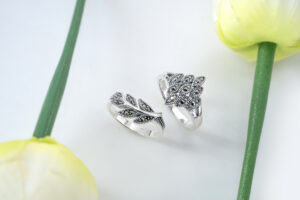
Investing in high-quality jewelry offers benefits beyond appearance.
Sterling silver marcasite jewelry provides:
- Reliable durability
- Long-term versatility
- Enduring elegance
- Exceptional craftsmanship
- Meaningful sentimental value
These qualities make every carefully chosen piece a worthwhile investment.
Conclusion
Marcasite silver jewelry continues to represent the perfect combination of timeless design, genuine sterling silver, and exceptional craftsmanship. Whether worn daily, reserved for formal occasions, or given as a meaningful gift, these elegant accessories remain beautiful regardless of changing fashion trends.
By selecting authentic sterling silver, choosing expertly crafted designs, and maintaining your jewelry with proper care, you can build a collection that provides lasting style for years to come. Marcasite silver jewelry is more than an accessory—it is a timeless expression of elegance, quality, and enduring craftsmanship that will always have a place in every fine jewelry collection.
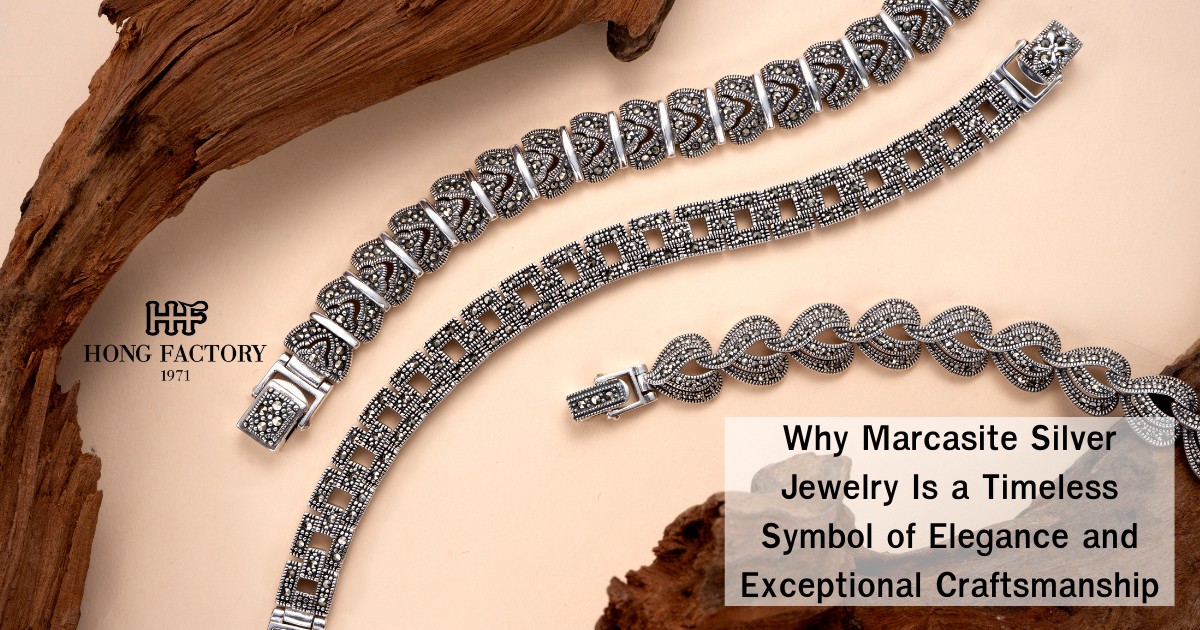
Introduction
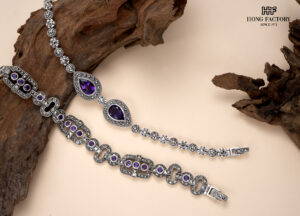
Some jewelry trends disappear after a few seasons, but truly elegant pieces continue to be admired for generations. Timeless jewelry combines outstanding craftsmanship, premium materials, and versatile designs that remain fashionable regardless of changing styles. Marcasite silver jewelry perfectly represents these qualities by blending genuine 925 sterling silver with expertly cut marcasite stones to create sophisticated accessories that never lose their charm.
Whether you are building a personal jewelry collection, selecting accessories for everyday wear, or searching for a meaningful gift, sterling silver marcasite jewelry offers remarkable versatility. Its vintage-inspired details complement both modern and traditional fashion, making it an ideal choice for casual outfits, professional attire, and elegant evening occasions.
This guide explores why marcasite silver jewelry continues to symbolize elegance and exceptional craftsmanship while remaining one of the most treasured choices in fine jewelry.
Primary Keywords
- marcasite silver jewelry
- sterling silver marcasite
- handcrafted silver jewelry
The Rich Heritage of Marcasite Jewelry
Marcasite jewelry has been appreciated for centuries because of its artistic beauty and detailed craftsmanship.
Its timeless influences include:
- Victorian elegance
- Edwardian sophistication
- Art Deco architecture
- Floral-inspired patterns
- Antique European design
These classic traditions continue to inspire modern jewelry collections while preserving their historical character.
Why Genuine 925 Sterling Silver Is the Foundation of Fine Jewelry
Authentic sterling silver remains one of the finest precious metals available.
Containing 92.5% pure silver, it provides:
- Brilliant natural shine
- Excellent durability
- Comfortable daily wear
- Easy maintenance
- Strong long-term value
Its polished finish beautifully enhances the subtle brilliance of marcasite stones.
The Unique Beauty of Marcasite Stones
Marcasite stones are admired for their refined sparkle and vintage appeal.
Their defining characteristics include:
- Soft metallic shimmer
- Decorative texture
- Vintage-inspired elegance
- Intricate craftsmanship
- Balanced sophistication
Their understated brilliance allows them to complement virtually every wardrobe.
Essential Jewelry Pieces for Every Collection
A timeless jewelry collection begins with versatile foundation pieces.
Recommended essentials include:
- Pendant necklaces
- Stud earrings
- Elegant bracelets
- Sterling silver rings
These accessories provide countless styling possibilities for every occasion.
Everyday Fashion with Lasting Sophistication
Marcasite silver jewelry effortlessly elevates everyday clothing.
It pairs beautifully with:
- White shirts
- Linen dresses
- Denim jackets
- Cotton blouses
- Knit sweaters
Its elegant sparkle creates polished outfits suitable for both casual and professional settings.
Professional Jewelry That Reflects Confidence
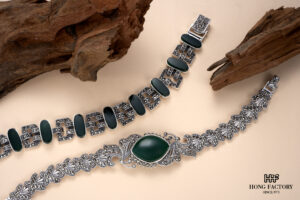
Business wardrobes benefit from understated accessories that project refinement.
Excellent office choices include:
- Fine necklaces
- Small earrings
- Slim bracelets
- Minimalist rings
These timeless designs complete professional attire while maintaining a sophisticated appearance.
Elegant Accessories for Formal Events
Special occasions allow decorative craftsmanship to shine.
Popular evening selections include:
- Statement necklaces
- Vintage-inspired earrings
- Decorative bracelets
- Cocktail rings
- Coordinated jewelry sets
These elegant pieces enhance formal attire while preserving timeless balance.
Choosing Authentic Marcasite Silver Jewelry
Exceptional craftsmanship begins with authentic materials.
Before purchasing, verify:
- Genuine 925 sterling silver hallmarks
- Secure marcasite stone settings
- Smooth polished finishes
- Reliable clasps
- Symmetrical construction
These details indicate superior workmanship and dependable quality.
Caring for Your Jewelry Collection
Routine maintenance protects your investment for years to come.
Helpful care recommendations include:
- Wipe jewelry with a soft polishing cloth after every use.
- Store each piece separately.
- Avoid perfumes, lotions, and harsh chemicals.
- Remove jewelry before swimming or strenuous exercise.
- Keep jewelry in a cool, dry place.
Proper care preserves sterling silver brilliance while protecting delicate stone settings.
Why Marcasite Jewelry Makes a Memorable Gift
Timeless jewelry creates meaningful memories that last a lifetime.
Perfect gifting occasions include:
- Birthdays
- Wedding anniversaries
- Graduations
- Mother’s Day
- Valentine’s Day
- Christmas
- Retirement celebrations
Its enduring beauty ensures every gift becomes a treasured keepsake.
Why Collectors Continue to Appreciate Marcasite Jewelry
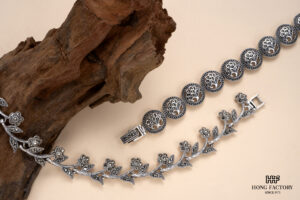
Collectors value sterling silver marcasite jewelry because it combines:
- Authentic precious materials
- Outstanding craftsmanship
- Timeless styling
- Everyday versatility
- Long-lasting durability
These qualities make every carefully crafted piece a lasting investment in fine jewelry.
Conclusion
Marcasite silver jewelry is a timeless symbol of elegance and exceptional craftsmanship because it combines genuine 925 sterling silver, expertly crafted marcasite stones, and sophisticated designs that remain fashionable across generations. Whether worn daily, paired with professional attire, or showcased during elegant celebrations, these refined accessories continue to provide remarkable beauty, versatility, and enduring value.
By investing in authentic sterling silver marcasite jewelry, selecting expertly crafted pieces, and maintaining them with proper care, you can enjoy timeless elegance for decades. Marcasite silver jewelry continues to represent classic artistry, lasting quality, and refined sophistication, making it an essential addition to every fine jewelry collection.
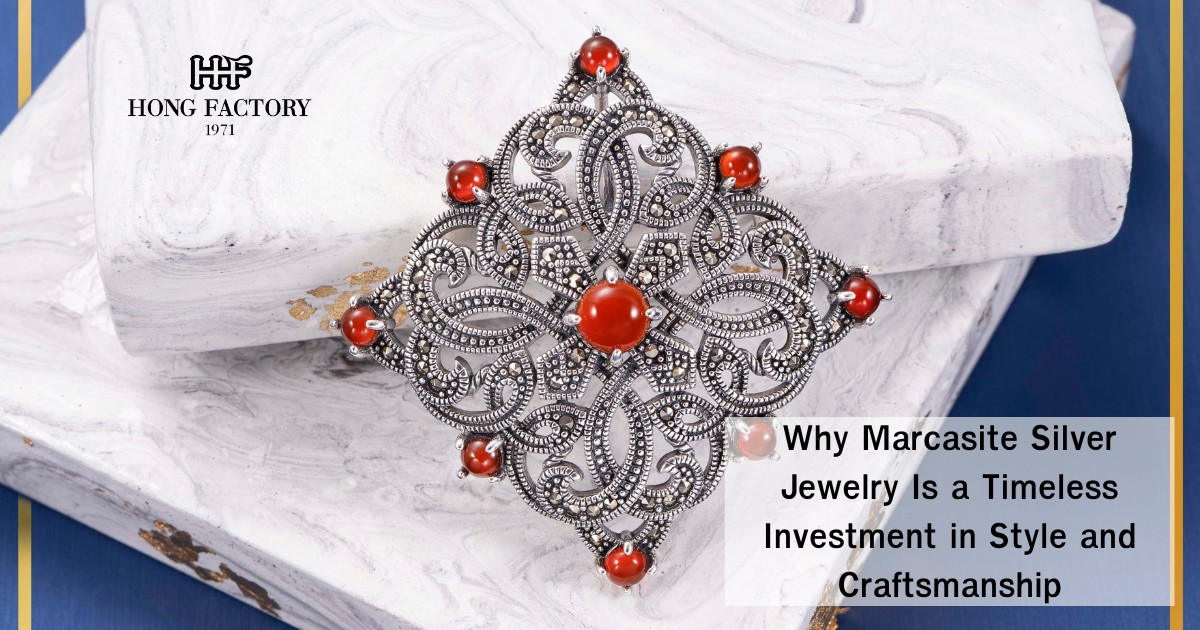
Introduction
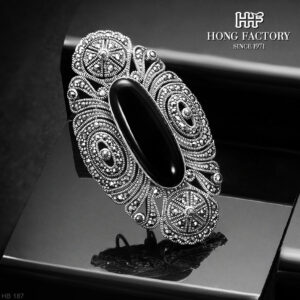
Jewelry is more than a decorative accessory—it is an expression of personality, a reflection of craftsmanship, and often a meaningful investment that can be enjoyed for many years. While fashion trends constantly change, timeless jewelry remains valuable because it combines exceptional quality with enduring elegance. Marcasite silver jewelry perfectly represents this philosophy by bringing together genuine 925 sterling silver and beautifully crafted marcasite stones in sophisticated designs that never lose their appeal.
Whether you are beginning a jewelry collection, searching for an elegant gift, or looking for accessories that complement every wardrobe, sterling silver marcasite jewelry offers remarkable versatility. Its vintage-inspired beauty blends seamlessly with contemporary fashion, making it suitable for everyday wear, professional settings, and formal celebrations.
This guide explains why marcasite silver jewelry is a timeless investment and how to choose pieces that continue to provide beauty and value throughout the years.
Primary Keywords
- marcasite silver jewelry
- sterling silver marcasite
- investment sterling silver jewelry
The Heritage Behind Marcasite Jewelry
Marcasite jewelry has been admired for centuries because of its artistic detail and timeless sophistication.
Its classic influences include:
- Victorian elegance
- Edwardian refinement
- Art Deco architecture
- Floral-inspired motifs
- Nature-inspired craftsmanship
These traditional styles continue to inspire modern jewelry while preserving their historical beauty.
Why Genuine 925 Sterling Silver Is the Foundation of Quality
Authentic sterling silver remains one of the most respected materials used in fine jewelry.
Made from 92.5% pure silver, it provides:
- Brilliant natural shine
- Excellent durability
- Comfortable daily wear
- Easy maintenance
- Long-lasting value
Its polished finish perfectly highlights the intricate sparkle of marcasite stones.
The Elegant Character of Marcasite Stones
Marcasite stones create understated brilliance that complements every wardrobe.
Their defining qualities include:
- Soft metallic shimmer
- Decorative texture
- Vintage-inspired beauty
- Detailed craftsmanship
- Balanced sophistication
This refined appearance allows marcasite jewelry to remain fashionable across generations.
Building a Timeless Jewelry Collection
A lasting collection begins with versatile essentials.
Recommended foundation pieces include:
- Pendant necklaces
- Stud earrings
- Slim bracelets
- Classic sterling silver rings
These accessories offer endless styling opportunities for every occasion.
Everyday Elegance That Never Fades
Marcasite silver jewelry transforms simple outfits into polished ensembles.
It pairs beautifully with:
- Linen shirts
- Denim jackets
- Cotton dresses
- Knit sweaters
- Smart casual attire
Its subtle sparkle adds sophistication without appearing excessive.
Professional Accessories for Modern Lifestyles
Business wardrobes benefit from jewelry that reflects confidence and refinement.
Excellent workplace choices include:
- Delicate necklaces
- Small stud earrings
- Slim bracelets
- Minimalist rings
These timeless designs complete professional attire with understated elegance.
Elegant Jewelry for Special Occasions
Formal celebrations allow decorative accessories to become the highlight of your look.
Popular evening selections include:
- Statement necklaces
- Vintage-inspired earrings
- Decorative bracelets
- Cocktail rings
- Coordinated jewelry sets
These sophisticated pieces elevate formal fashion while preserving timeless balance.
Recognizing Exceptional Craftsmanship
Superior jewelry reflects expert attention to detail.
Before purchasing, verify:
- Genuine 925 sterling silver hallmarks
- Secure marcasite stone settings
- Smooth polished finishes
- Reliable clasps
- Symmetrical craftsmanship
These characteristics indicate authentic materials and dependable quality.
Caring for Marcasite Silver Jewelry
Routine maintenance helps preserve both appearance and value.
Helpful care practices include:
- Wipe jewelry with a soft polishing cloth after each use.
- Store every piece separately.
- Avoid perfumes, lotions, and harsh chemicals.
- Remove jewelry before swimming or exercising.
- Keep jewelry in a cool, dry place.
Proper care ensures sterling silver remains brilliant while protecting delicate stone settings.
Why Marcasite Jewelry Makes a Meaningful Gift
Marcasite silver jewelry combines elegance with lasting significance.
Perfect occasions include:
- Birthdays
- Wedding anniversaries
- Graduations
- Mother’s Day
- Valentine’s Day
- Christmas
- Retirement celebrations
Its timeless beauty ensures every gift becomes a cherished keepsake for generations.
Why Collectors Continue to Appreciate Marcasite Jewelry

Collectors continue to value sterling silver marcasite jewelry because it combines:
- Authentic precious materials
- Traditional craftsmanship
- Timeless styling
- Everyday versatility
- Long-lasting durability
These qualities make every carefully crafted piece an enduring investment in fine jewelry.
Conclusion
Marcasite silver jewelry is a timeless investment in style and craftsmanship because it combines genuine 925 sterling silver, expertly crafted marcasite stones, and elegant designs that remain beautiful throughout changing fashion trends. Whether worn daily, professionally, or during life’s most memorable celebrations, these sophisticated accessories continue to offer exceptional beauty, comfort, and lasting value.
By choosing authentic sterling silver marcasite jewelry, investing in superior craftsmanship, and maintaining your collection with proper care, you can enjoy timeless elegance for decades. Marcasite silver jewelry continues to symbolize refined artistry, dependable quality, and enduring sophistication for jewelry lovers around the world.