LUXURY LOVE: 10 MOST EXPENSIVE CELEBRITY’S WEDDING RINGS
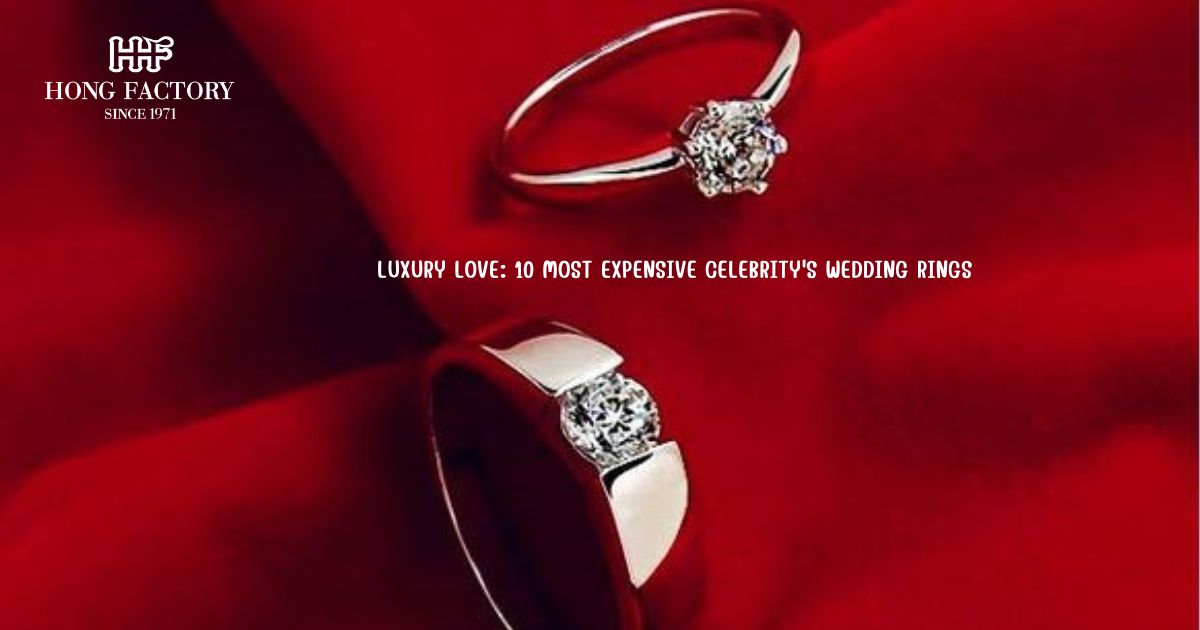
There is no price on love. But sometimes we go out of our way to express our love, with expensive things, like a luxurious diamond wedding ring. Celebrity has taken this to another level. WEDDING RINGS.
To prove their intent, they have purchased some of the world’s most expensive pieces of wedding bands. The ten most highly-priced celebrity engagement rings globally are estimated to be really worth between 2 and 11 million dollars.
WEDDING RINGS
In this article, we bring to the fore the fortunate women whose fingers have worn some of the world’s most costly wedding bands. In addition to diamonds symbolizing innocence, fidelity, mild and lifestyles – it is stated that diamonds are a girl’s fine friend,
and that may additionally be why nearly every lady with marital aspirations walks around daydreaming about a massive glowing ring.
The most luxurious superstar engagement ring is estimated to have a fee of as plenty as 8.7 million pounds! – and you may already be capable of betting which fortunate singer it belongs to. WEDDING RINGS
It has to be difficult to say no to an engagement ring with a diamond the measurement of a penny, and nicely yes, to the future husband who comes with the ring – and one would assume that such a high-priced ring used to be equal to a lengthy and completely happy marriage.
However, it is now not guaranteed. In the gallery below, we have gathered the ten most pricey engagement rings amongst celebrities, and you are assured of losing your jaw over the quantities that the celebrities’ husbands, ex-husbands, and ex-fiancées have shot after astonishing engagement rings.
LUXURY LOVE: 10 MOST EXPENSIVE CELEBRITY’S WEDDING RINGS
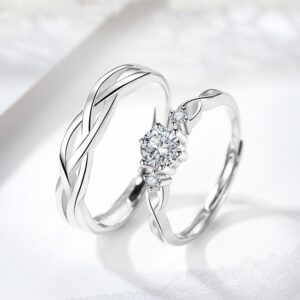
In the tenth position is Jackie Kennedy’s Onassis 40 Carat Marquise engagement ring
The tenth most high-priced ring used to be given to the widow Jackie Kennedy, who had lost her first husband, US President JFK, when he was once shot. The ring, which positions her in tenth place with the estimated fee of 1.8 million pounds,
she received from her 2d husband Aristotle Onassis, a Greek delivery mogul. After she passed away in 1996 the ring was sold at auction for $2.59 million. WEDDING RINGS
In ninth place is Melanie Trump’s 15 Carat Diamond engagement ring
America’s former first lady, Melanie Trump’s engagement ring, stays in ninth place. The diamond ring given to her in 2005 by former President Donald Trump is really worth 2.2 million pounds.
It should be noted that Melanie Trump would later receive another engagement ring from Trump before the 2018 presidential run. Which in itself costs an arm a leg! WEDDING RINGS
In eighth place is Jennifer Lopez’s 8.5 Carats engagement ring
Marc was an ex of her whom she went back to after breaking it off with Ben! They got married in 2004 and ended with a divorce in 2014. When Marc proposed to her, he did so with a Harry Winston diamond which weighed 8.5 carats
In the seventh-place is Grace Kelly’s engagement ring
The oldest ring on the pinnacle 10 lists, belongs to the iconic actress Grace Kelly, who acquired the ring from Prince Rainier of Monaco in December 1955 – and with a rate of 3.51 million pounds, units it rings in seventh place. WEDDING RINGS
In the sixth location is Paris Hilton’s engagement ring
Paris Hilton did now not entire her engagement to Chris Zylka, however, she bought a ring well worth 3.59 million kilos out of it – which places her ring in sixth place. WEDDING RINGS
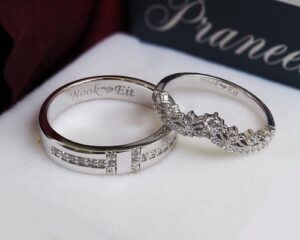
In fifth place is Beyoncé’s 18 Carat engagement ring
In the fifth region is the 18-carat emerald-cut diamond belonging to pop queen Beyoncé herself. She has obtained the ring from her husband Jay-Z, and it is well worth 3.8 million pounds. WEDDING RINGS
In 4th place is Anna Kournikova’s engagement ring
Tennis star Anna Kournikova takes fourth place with her engagement ring from singer Enrique Inglesias, which is well worth 4.1 million pounds. WEDDING RINGS
In the third location is Kim Kardashian’s engagement ring
Kim Kardashian’s one engagement ring from Kanye West (yes, there have been several) takes 1/3 region and charges an estimated 6.1 million pounds. Kanye gave Kim the ring after he had leaked an essential deal with Adidas (and consequently Adidas used to be simply engraved interior it)
however it was once reportedly stolen in the course of the notorious theft in Paris, which made headlines again in October 2016. WEDDING RINGS
In 2nd place is Elizabeth Taylor’s engagement ring
In second place is the iconic Elizabeth Taylor engagement ring, which was given to her by actress Richard Burton. The ring was constructed using the Krupp diamond (then known as the Elizabeth Taylor diamond) and cost 6.7 million pounds. Despite the divorce between the two, Elizabeth kept her engagement ring until she died in 2011. WEDDING RINGS
In 1st place is Mariah Carey’s engagement ring
The most expensive engagement ring belongs to the singer Mariah Carey, with a value of 8.7 million pounds. But is a giant diamond ring equal to a long and happy marriage? For the singer, who broke off the engagement within a year, that was not the case. WEDDING RINGS
Conclusion:
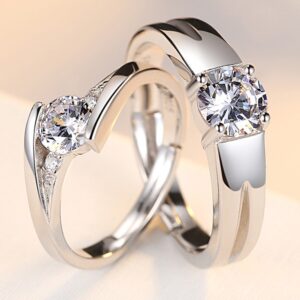
The cost of a wedding band does not often lead to eternal love. It only shows how much, at a particular time, two people feel about themselves. Sometimes it can also show how much they have in their account balance. WEDDING RINGS
If you’re thinking of getting a wedding ring yourself, you should not be necessarily pressured into emptying your year’s wages on a piece of dazzling diamond. There are beautiful and,
yes, durable wedding bands that would make your jaw drop and wash your spouse with rivers of happiness and that are not too expensive. In the end, it is the state of your heart: what you truly feel about yourselves that matters. An expensive wedding ring would not keep the wedding vow in check. WEDDING RINGS
Though it can serve as a deterrent, there is more to long-lasting marriage than them. When you get your own wedding ring, most likely in the sweet company of your spouse, try not to put too much attention on prices and the glittering seduction of expensive brands.
The bands, after all, are just beautiful expressions of your love. In no time should they be the center of it? WEDDING RINGS
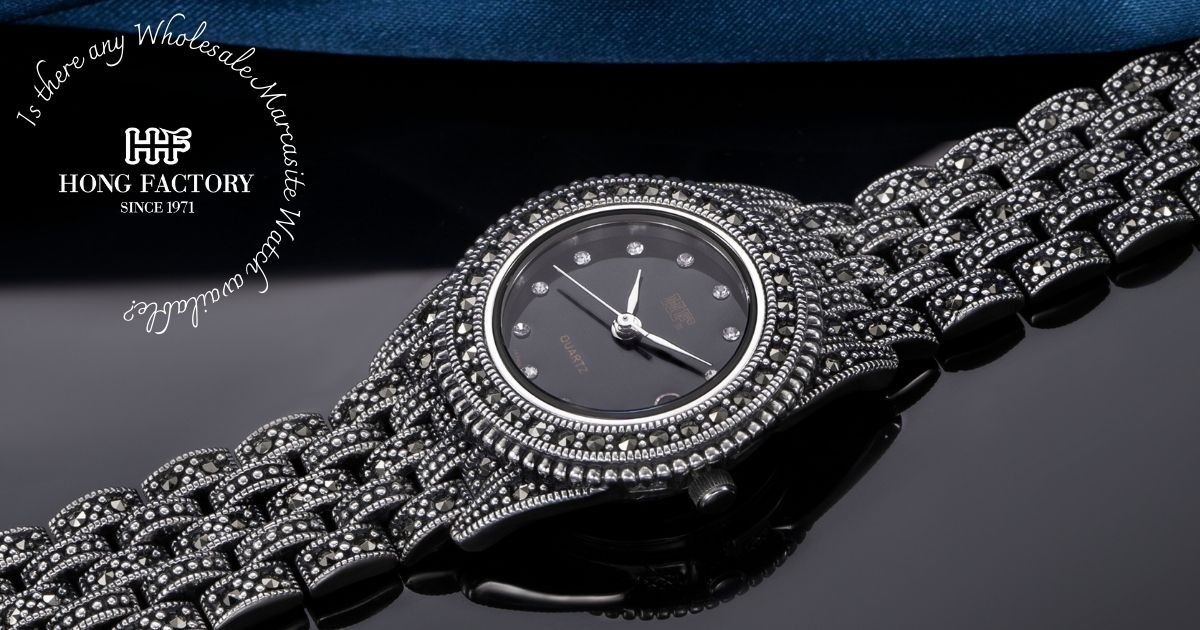
Who says shopping for marcasite jewelry is easy? And if it is a Wholesale Marcasite Watch, say goodbye to your leisure time for the next three months. Among all the accessories, watches are the most underrated ones.
This is why you will not see thousands of options of watches everywhere. Regardless of their lack of presence, they are still in fashion. Watch is the epitome of grace and charisma. Therefore, they are still in high demand.
And if we talk about the Marcasite watch, the demand is beyond your expectations. The question here arises is, where will you get the amazing collection of marcasite watches? After spending hours in the markets,
people have begun to question the availability of Wholesale Marcasite Watch in the market. But here is the good news for you all. Here is all you need to know about the availability of the marcasite watches.
Is there any Wholesale Marcasite Watch available?

Why Wholesale Marcasite Watch is not readily available?
Even if you are not a jewelry person, you might have had a watch in your collection. Although it is the most neglected accessory, it is a masterpiece. To reflect elegance, some people work on monotone outfits while some focus on doing a no-makeup look.
However, every person still adds a watch to its style to reflect grace. Having said that, there are not many options in watches. You will not see the availability of the Wholesale Marcasite Watch everywhere. The answer is quite simple here.
It is not that easy to play with the designs of the watches. While you can create different designs and cuts in brooches and bangles, it is not the case in watches. With the lack of innovation potential, makers always come up with similar and mundane designs.
They focus more on the pendants and earrings, where there is more innovation potential. Due to this, they do not create a variety of watches. It results in the lack of availability of marcasite watches in the market.
Having said that, the unique and eccentric Wholesale Marcasite Watch does exist. But it is not readily available. To get your hands on the unique watches, you need to spend hours searching in the market. Fortunately, you are at the right place. We have narrowed down every place you need to know to get the perfect watch for you.
Here are the top 5 places to find the Wholesale Marcasite Watch:
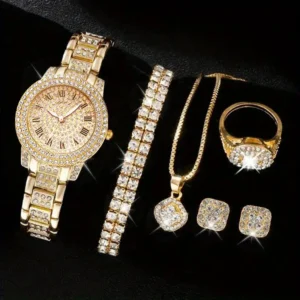
1. HKTDC.com
You don’t have to worry about finding the perfect watch anymore. This website has everything you have been looking for. It has a variety of marcasite watches. It includes the Wholesale Marcasite Watch too.
Talking specifically about the watch designs, you will find a plethora of options on the website. The range of watches starts from minimalistic looks to heavy looks. Moreover, the heavy looks are not just the loud and flashy looks.
It has beautiful stones to give a unique touch. Furthermore, the category of watches caters to all genders, which provides a lot more options than you expect.
2. Alibaba
Alibaba is the biggest e-commerce website. Being the market leader, it has to be the best at whatever it sells. This pressure of dominance has made Alibaba have the best collection of Wholesale Marcasite Watch.
If you scroll through their website, you will see a wide range of watches it has to offer. As mentioned before, although there is a lack of watches, they do come in amazing designs and cuts. Fortunately, Alibaba has some amazing designs and cuts to offer.
The variety of these watches has broken the stereotypes. It has also answered the most common question people ask. That is, are there any marcasite watches available? The best part about the site is that it is one of the most trustworthy sites.
It means that it has a loyal customer base. To meet the expectations of the customers, it always strives to sell the best quality. Therefore, if you are looking for the best Wholesale Marcasite Watch, this is the right place to go.
3. Hong Factory
The list has not ended. With the booming e-commerce, there are plenty of online shopping sites. Hong Factory is one of them. It has the best collection of marcasite watches. Moreover, it does not have the same designs, but every watch is unique in its way.
This is why people adore this website. The best part about this website is that it is cost-effective. It means that you do not have to spend your whole pocket money on just one watch. The delicate designs embedded with stones are a perfect match for you.
4. Pandkjewelry
The list of where to find the best Wholesale Marcasite Watch is never-ending. Despite being the most underrated jewelry piece, you will still find a lot of beautiful watches. One of the most amazing websites to find the perfect watch is the Pandkjewelry.
On this amazing website, you will find everything you were looking for. From the minimal looks to the detailed versions, there are plenty of options for watches. Therefore, if you are looking for a beautiful, yet unique watch, this is the right website for you.
FINAL VERDICT
To sum everything up, here are the best websites for beautiful watches. It is a hearsay that there is not plenty of Wholesale Marcasite Watchin the market. The truth is, you can get any design of watch within the above 4 websites.
Besides the best bracelets and earrings, the designers have come up with a beautiful collection of watches too. If you want a stunning watch, go to any of the above websites and find your perfect match. The websites do not just have a variety of designs, but also, at affordable prices. They are truly the best fit for you.jewellery wholesale thailand.
META DESCRIPTION
Who said the perfect Wholesale Marcasite Watch is not readily available? If you are looking for some breathtaking marcasite watch designs, you are just at the right place. The above websites are all you need to know about.
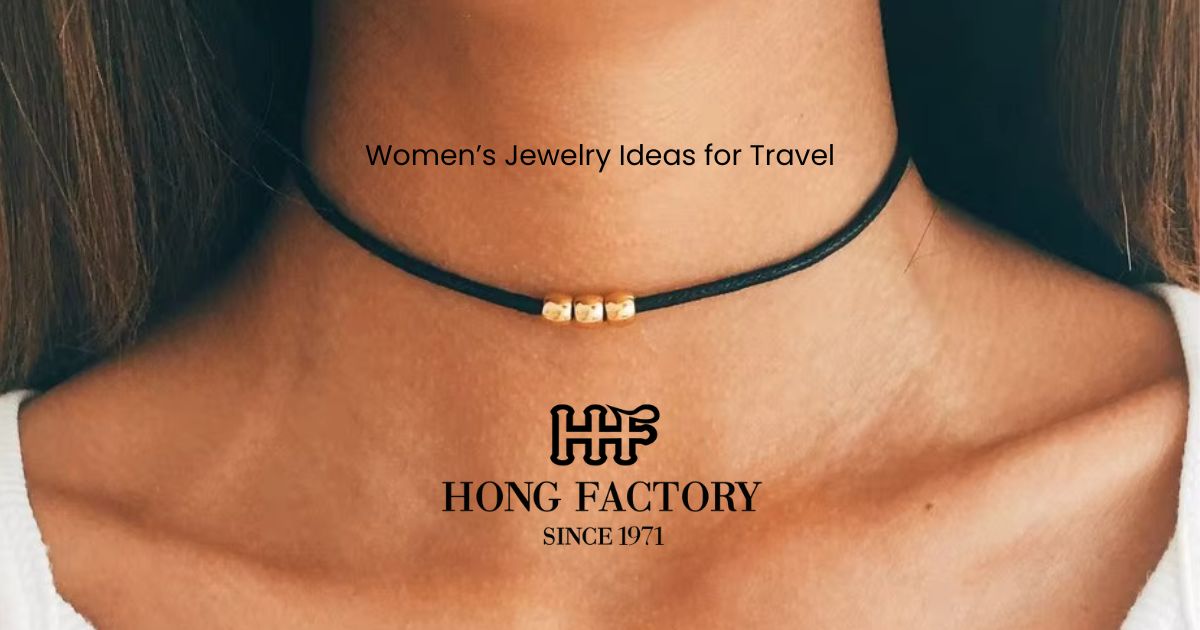
Travel brings a sense of freedom, adventure, and discovery an ideal setting for expressing yourself through style. For women, jewelry can be a way to capture the mood of a destination, reflect personal meaning, and elevate a travel wardrobe. But when you’re packing light and living out of a suitcase, your jewelry needs to be versatile, comfortable, and easy to wear. The good news? The right selection of pieces can do all that and more.
Here’s a refreshed guide to women’s jewelry ideas for travel with an emphasis on practicality, elegance, and cultural awareness.
Women’s Jewelry Ideas for Travel
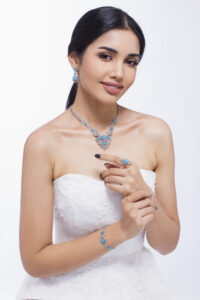
1. Layered Delicate Necklaces: Elegant and Versatile
A trio of fine necklaces can go a long way during travel. They take up little space and can be mixed and matched based on your outfit or occasion.
- Choose simple chains with pendants like a sun, compass, or birthstone.
- Try adjustable lengths so you can create layered effects or wear each solo.
- Great for day-to-night styling from sightseeing to dinners.
Match with tank tops, blouses, or resort dresses.
2. Convertible Jewelry Pieces: Multipurpose and Minimal
One of the smartest travel jewelry investments is a piece that can be worn in more than one way.
- A necklace that wraps as a bracelet.
- Earrings with detachable elements (stud + drop).
- A lariat necklace that can double as a belt or anklet.
These pieces help maximize your style options with fewer items packed.
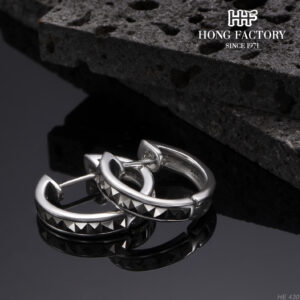
3. Small Hoops or Huggie Earrings: Everyday Essentials
Small hoops offer that perfect middle ground: polished yet casual, simple yet statement-making.
- Choose gold or silver huggies that hug the earlobe.
- Add gemstone or pearl accents for a luxe touch.
- Look for snap-lock or lever-back closures to avoid losing them.
They match almost everything and are great for long days out.
4. Cultural or Artisan Jewelry: Style with a Story
One of the best ways to blend fashion with travel is by embracing local or handmade jewelry.
- Pick up local crafts from artisan markets.
- Incorporate natural materials like wood, shell, or clay.
- Respectfully wear culturally inspired designs that celebrate tradition.
These pieces often become treasured souvenirs or conversation starters.
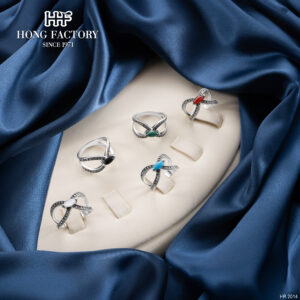
5. Minimalist Rings for Daily Wear
While bold cocktail rings are beautiful, minimalist rings are more travel-friendly.
- Choose stackable bands in gold or silver.
- Look for rings with tiny charms, crystals, or motifs.
- Opt for adjustable styles to accommodate swelling during flights or weather changes.
They’re elegant, subtle, and comfortable.
6. Lightweight Statement Pieces: Perfect for Evenings
Sometimes you need that one wow piece and it doesn’t have to weigh a ton.
- Try acrylic or resin earrings in bold colors.
- Choose chain-link necklaces or large cuffs in lightweight metals.
- A single oversized ring can also double as a statement item.
Great for nights out, special dinners, or spontaneous celebrations.
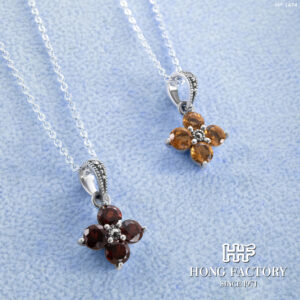
7. Travel-Inspired Charms: Meaningful and Personal
Wearable memories are always in style. Charm jewelry lets you carry your travels with you.
- Use charm bracelets or necklaces with tokens like a camera, suitcase, airplane, or landmark.
- Add custom-engraved charms with coordinates or dates.
- Combine birthstones or meaningful symbols.
It’s a creative way to personalize your jewelry collection.
8. Fabric or Thread-Based Jewelry: Lightweight and Easygoing
If you’re heading somewhere hot, thread or fabric jewelry is breathable and colorful.
- Try woven bracelets or chokers.
- Look for embellished cords with beads or small charms.
- Mix multiple pieces for a laid-back, boho look.
Perfect for tropical vacations, music festivals, or outdoor adventures.
9. Jewelry in Travel-Friendly Materials
Choose materials that won’t tarnish, weigh down your bags, or cause irritation.
- Go for stainless steel, brass, acrylic, silicone, or vermeil.
- Avoid high-maintenance metals unless you’re sure about care.
- Consider hypoallergenic options for sensitive skin.
Durable jewelry lets you enjoy your trip without worrying about damage.
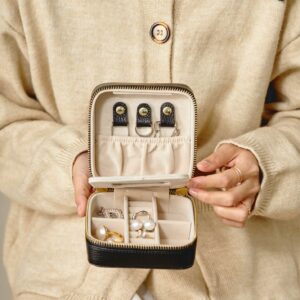
10. Jewelry Pouches and Organizers: Keep It Together
Bringing the right storage makes all the difference.
- Use roll-up organizers with zip compartments.
- Separate by type studs, necklaces, rings.
- Store everyday favorites in a soft pouch in your handbag.
Prevents tangling, scratching, or losing pieces mid-trip.
11. Safety-First Jewelry Tips
While traveling, keep your style smart and safe.
- Leave expensive or heirloom pieces at home.
- Avoid flashy looks in areas where theft is a concern.
- Carry a few duplicates or backups of go-to items.
- Use detachable clasps for easier wear and quick removal if needed.
Confidence is key so wear what makes you feel good but be mindful.
12. Travel Jewelry Capsule: What to Pack
Think of your jewelry like a mini capsule wardrobe.
- 1–2 pairs of earrings: hoops + studs
- 2–3 necklaces: one charm, one statement, one convertible
- 1–2 rings: adjustable, simple bands
- 2 bracelets: one charm or beaded, one classic chain
- 1 anklet or special piece for summer destinations
Keep it cohesive with a consistent metal tone or matching theme.
Jewelry while traveling should feel as easy and intentional as the journey itself. It’s not about quantity it’s about selecting pieces that reflect who you are, where you’re going, and how you want to show up. Whether you opt for delicate chains, bold earrings, or symbolic charms, each piece can carry meaning and elevate your travel wardrobe.
So pack smart, wear with confidence, and let your jewelry become part of the story you’re writing with every new destination.

Songkran, Thailand’s beloved New Year festival, is a vibrant celebration of renewal, water, and tradition. It’s a time to cleanse the old and welcome the new with joyful energy, blessings, and beautiful attire. Amid water splashes and cultural rituals, jewelry plays an important role and pendants in particular offer a meaningful and stylish way to express your spirit during the festivities.
Here’s a complete guide to pendant ideas that blend cultural symbolism, modern design, and festival-ready flair to help you shine during Songkran:
Pendant Ideas for Songkran: Celebrate with Style, Culture, and Symbolism

1. Water-Inspired Pendants: Flow, Purity, and Play
Songkran is most famous for its water celebrations, symbolizing purification and blessings.
- Wave pendants: Represent flow, letting go, and embracing change.
- Raindrop or teardrop shapes: Elegant and symbolic of cleansing.
- Aquamarine or blue topaz stones: Cool-toned gems that mimic the sparkle of water.
These pieces are ideal for both traditional and modern outfits, bringing in freshness and fluidity.

2. Thai Symbol Pendants: Celebrate Cultural Roots
Wearing Thai-inspired designs connects your look to the festival’s spiritual and historical roots.
- Garuda or Hanuman symbols: Mythological strength and courage.
- The lotus flower: A symbol of purity, enlightenment, and rebirth.
- Phra Somdej or Buddha image pendants: Spiritual icons often worn for protection and merit.
Choose gold, silver, or bronze finishes to reflect traditional Thai aesthetics.
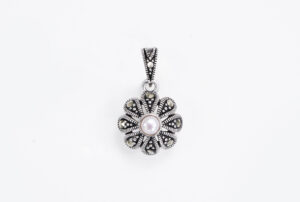
3. Floral and Nature Pendants: Channel Songkran’s Seasonal Charm
Songkran aligns with spring and the Thai summer season, full of blooming flowers and warm sunshine.
- Jasmine, orchid, or plumeria flower pendants: A nod to Songkran’s popular flower garlands.
- Leaf or tree motifs: Growth, vitality, and nature’s cycle.
- Sun pendants: Celebrate light, joy, and new beginnings.
These pendants add brightness and femininity to your festival style.

4. Colorful Gemstone Pendants: Add Festive Flair
Songkran is a time of color, celebration, and energy. Incorporating colorful gemstones into your pendant choices brings vibrancy to your look.
- Citrine: Joy, prosperity, and golden sunshine.
- Pink tourmaline: Love and warmth.
- Green aventurine: Luck and fresh starts.
- Amethyst: Calming energy amid excitement.
Match the gemstone to your outfit or wear a multi-stone pendant for a fun, layered vibe.

5. Lucky Charm Pendants: Protection and Positivity
Many people wear amulets or lucky symbols during Songkran to start the year with positive energy.
- Elephant charms: Strength, wisdom, and good fortune.
- Evil eye pendants: Protection from negativity.
- Number or letter pendants: Personal lucky numbers or initials.
Layering these with more decorative pieces creates a balanced, personal look.

6. Minimalist Gold and Silver Pendants: Subtle Shine for Every Look
If you prefer understated elegance, minimalist pendants in precious metals are ideal for Songkran events especially temple visits or family gatherings.
- Simple bar or disc pendants with small engravings.
- Fine chain necklaces with a dainty charm.
- Small gemstone drops in a clean setting.
These pendants pair well with both traditional Thai dresses and modern holiday wear.

7. Resin or Acrylic Pendants: Bold and Waterproof
Songkran is a water festival, after all! For outdoor fun, choose pendants that can handle the splashes.
- Acrylic or resin pendants in bright summer colors.
- Lightweight and durable shapes like hearts, flowers, or abstract patterns.
- Waterproof cords or rubber chains for worry-free wear.
Perfect for the water play zones or street festivals.

8. Pendant Necklaces for Layering
Layered necklaces are trendy and ideal for festival fashion. Songkran is no exception especially for casual or party settings.
- Mix short chokers with mid-length pendants.
- Combine metal chains with beads or cords for texture.
- Vary pendant shapes (circle, drop, symbol) to reflect personality and intention.
Layering lets you combine fashion and symbolism in a single look.

9. Personalized Pendants: A Touch of Meaning
Personalized jewelry adds sentimental value to your Songkran look.
- Name or initial pendants in Thai or English.
- Birthstone pendants to celebrate your astrological or spiritual self.
Custom engravings like “Sawasdee Pee Mai” (Happy New Year) or meaningful phrases.
Great as gifts or keepsakes to remember the celebration.

10. Sustainable and Handmade Pendants
Songkran is also a time of mindfulness and community. Supporting local or eco-conscious artisans through your pendant choices can reflect this spirit.
- Handcrafted pendants from Thai designers or rural artisans.
- Upcycled or recycled materials turned into beautiful designs.
- Nature-based pieces made with wood, seeds, or natural stones.
These pieces carry both style and soul.
Styling Tips for Songkran Pendants
- Pair with breathable fabrics: Lightweight necklaces go great with cotton or linen.
- Keep chains secure: Use strong clasps if you’ll be active.
- Avoid over-layering near water zones: Simplicity is better when wet.
- Coordinate with your outfit color scheme: Especially if you wear traditional Thai clothing.
- Mix modern and classic: Try a gold lotus pendant on a leather cord or a symbolic charm with a pastel sundress.
Pendants are the perfect accessory for Songkran: symbolic, stylish, and suitable for every type of celebration from quiet blessings at the temple to joyful splashes on the street. With the right pendant, you can embrace the festival’s spirit while expressing your personality, values, and fashion sense. As you ring in the Thai New Year, wear a piece that inspires, protects, or simply makes you smile. Let your pendant be a reflection of renewal, joy, and all the beauty this season brings.
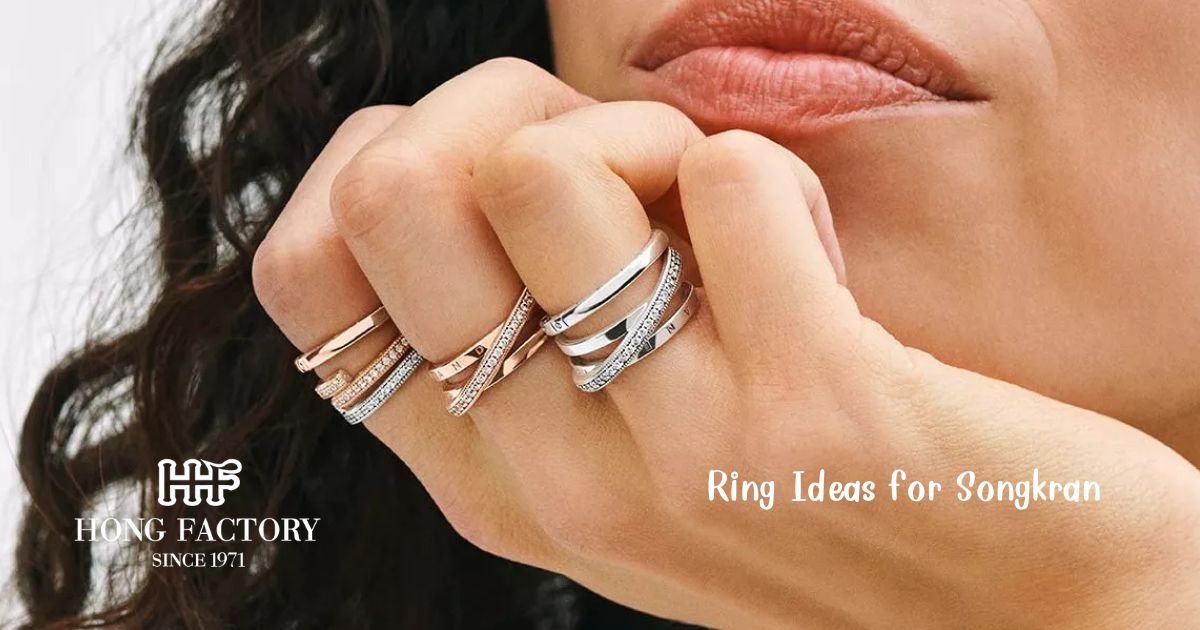
Rings are small but powerful accessories that carry symbolism, fashion, and personal expression. During Songkran, Thailand’s joyful water festival and New Year celebration, wearing rings can represent unity, blessings, protection, and even spiritual alignment. Whether you’re attending a temple ceremony, joining a water parade, or spending time with family, the right ring can add depth and flair to your festive look. In this article, we explore thoughtfully curated ring ideas for Songkran, suitable for traditional, modern, or spiritual celebrations. From symbolic stones to Thai cultural motifs, these rings will help you connect more meaningfully with the spirit of Songkran.
Ring Ideas for Songkran
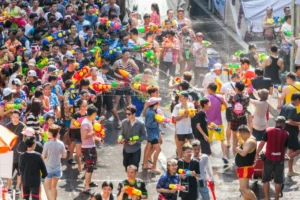
Why Wear Rings for Songkran?
Rings are not only visually striking but also rich in cultural and spiritual meaning. In Thai tradition and Buddhism, rings often carry talismanic or ritualistic value. They may also serve as beautiful mementos or family heirlooms.
Wearing rings during Songkran can:
- Symbolize new beginnings and blessings
- Offer spiritual protection or good fortune
- Elevate traditional or modern Thai outfits
- Celebrate cultural identity and personal style
- Serve as thoughtful Songkran gifts
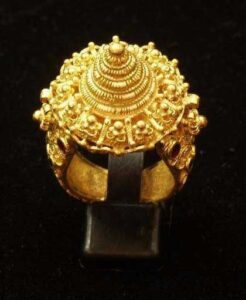
1. Traditional Thai Pattern Rings
Celebrate heritage with rings inspired by Thai patterns and architecture.
Look for designs featuring:
- The Kanok pattern
- Lotus flower motifs
- Lanna-inspired swirls or temple roof curves
Often crafted in gold or silver, these rings look stunning with traditional Thai attire like silk blouses and sinh skirts.
2. Gold Bands for Prosperity and Purity
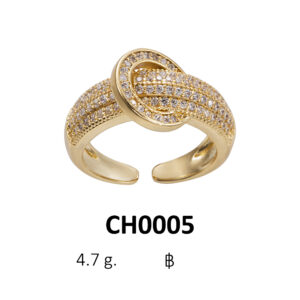
Gold is traditionally worn during Songkran for its association with wealth, good luck, and positive energy.
Styles to try:
- Plain gold bands for understated elegance
- Carved rings with temple motifs
- Delicate gold rings with engraved blessings
Ideal for both men and women, and suitable for formal family ceremonies.
3. Crystal and Gemstone Rings for Energy and Intention
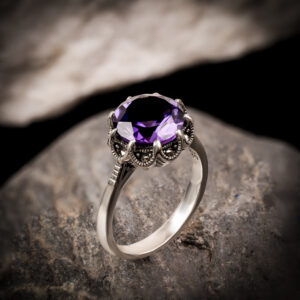
Crystals are widely used for their metaphysical properties — and wearing them as rings helps direct that energy through your hands.
Best gemstones for Songkran:
- Amethyst: for peace and clarity during transitions
- Citrine: for joy, abundance, and celebration
- Rose Quartz: for love and compassion
- Tiger’s Eye: for courage and protection
Choose single-stone rings, cluster styles, or stacking sets for visual variety.
4. Zodiac and Birthstone Rings
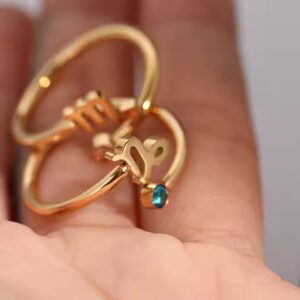
Wearing your Thai zodiac sign or birthstone is a powerful way to connect with personal identity during the New Year.
Consider:
- Rings with engraved zodiac animals
- Birthstone rings with protective silver or gold settings
- Dual birthstone designs for couples or families
Great for gifting and sharing between generations.
5. Matching Couple Rings for Love and Unity
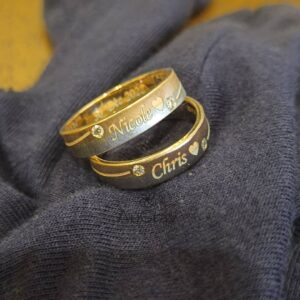
Songkran is a time for family and relationships. Matching rings can symbolize a shared journey into the New Year.
Popular pairings:
- Lotus flower and leaf sets
- Heart-shaped stone rings
- Thai script engravings (e.g.,)
Select subtle and elegant designs that suit both partners.
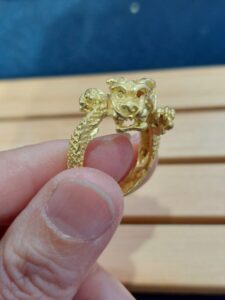
6. Thai Amulet and Protective Symbol Rings
Many Thais wear rings featuring protective symbols to honor spiritual traditions and seek blessings.
Options include:
- Rings with yantra symbols (ยันต์)
- Buddha image rings (พระ)
- Ruesi or monk faces for wisdom
Choose these rings in carved silver or mixed metal finishes for an authentic touch.
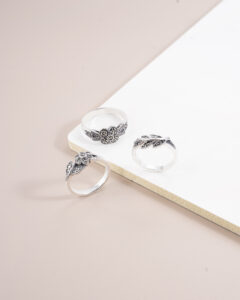
7. Floral-Inspired Rings for Joy and Renewal
Flowers are central to Songkran, especially jasmine, which symbolizes purity and respect. Floral rings echo the beauty of Thai New Year traditions.
Great picks:
- White flower enamel rings
- Petal-motif filigree designs
- Floral gemstone cluster rings
These are perfect for temple ceremonies or Songkran garden parties.
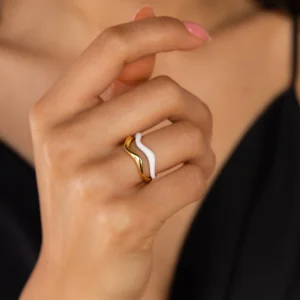
8. Stackable Rings for Modern Songkran Style
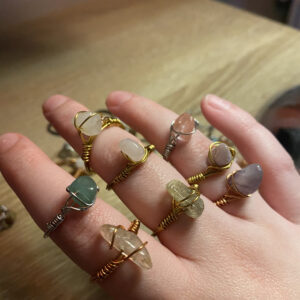
For a trendier look, stackable rings let you express color, shape, and mood — all in one hand.
Styling ideas:
- Mix gemstones, metals, and symbols
- Alternate slim gold bands with colorful crystal rings
- Use one statement piece with smaller accents
Ideal for younger generations celebrating Songkran in casual or fusion attire.
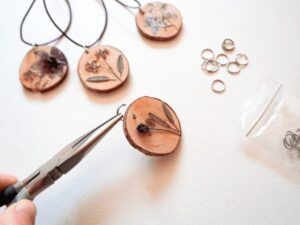
9. DIY and Custom Engraved Rings
Personalized rings carry intention and meaning. Custom engraving adds sentimental value for Songkran gifts or keepsakes.
What to engrave:
- A meaningful date (New Year, birthdate)
- A spiritual phrase or blessing
- Initials of loved ones
Make them in sterling silver, gold vermeil, or stainless steel for long-lasting wear.
10. Sustainable and Handmade Artisan Rings
Celebrate local craftsmanship by wearing handmade rings from Thai artisans. These pieces often carry cultural stories and ethical value.
Look for:
- Rings made with recycled metals
- Hand-set local stones (e.g., garnet, zircon)
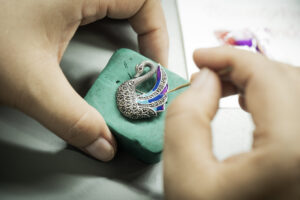
- Traditional casting or hammering techniques
Support local makers and wear something truly one-of-a-kind.
How to Wear and Pair Rings for Songkran
1. Match Ring Style to Occasion:
- Use traditional or gemstone rings for temple visits
- Choose fun floral or stacked designs for casual or festive events
2. Coordinate with Your Outfit:
- Pair gold with warm tones, silver with cooler colors
- Mix metals for a modern touch
3. Balance with Other Jewelry:
- If your rings are bold, keep other accessories minimal
- Let one ring shine as your statement piece
4. Ensure Comfort for Festivities:
- Avoid oversized or heavy rings during water play
- Choose adjustable styles for swelling from heat or activity
5. Cleanse or Bless Before Wearing:
- Clean your gemstone rings with water or moonlight
- Visit a temple to have rings blessed for the year ahead
Rings for Songkran aren’t just about beauty – they’re about meaning, memory, and personal expression. Whether you’re drawn to cultural heritage, spiritual symbolism, or simply want to sparkle with your style, there’s a ring for every moment of the celebration. From engraved gold bands to crystal-studded creations, let your Songkran ring reflect your hopes, your history, and your heart. This Thai New Year, wear more than an accessory – wear your story on your hand.
Spiritual jewelry offers a unique way to combine meaningful symbolism with stylish design, making it an ideal accessory for travelers seeking protection, inspiration, and connection during their journeys. Whether you’re embarking on a pilgrimage, exploring new cultures, or simply looking for a deeper sense of purpose while traveling, spiritual jewelry can serve as a constant reminder of your intentions and beliefs. Below are some spiritual jewelry ideas for travel that are both beautiful and meaningful.
Spiritual Jewelry Ideas for Travel
Symbolic Jewelry for Protection
Traveling often comes with uncertainties, and many spiritual jewelry pieces are designed to offer protection and peace of mind.
- St. Christopher Pendants: St. Christopher is the patron saint of travelers, and wearing his medallion is believed to provide safety and guidance on journeys. These pendants often feature intricate engravings and can be worn as necklaces or bracelets.
- Evil Eye Jewelry: Popular in many cultures, the evil eye symbol is thought to ward off negative energy and protect the wearer from harm. Opt for a delicate evil eye pendant or bracelet for a stylish yet protective accessory.
- Hamsa Hand Necklaces: The Hamsa hand is another powerful symbol of protection, often associated with deflecting negative energy and bringing good fortune. It’s commonly crafted in gold or sterling silver with gemstone accents.
- Guardian Angel Charms: Angel-themed jewelry, such as necklaces or bracelets featuring angel wings or figures, can serve as a comforting reminder of divine protection during your travels.
Cultural and Religious Spiritual Jewelry
For those who enjoy immersing themselves in the spiritual traditions of different cultures, cultural jewelry offers both beauty and depth.
- Balinese Amulets: Balinese jewelry often incorporates symbols from Hinduism, such as lotus flowers (representing purity) or Om symbols (signifying universal connection). Silver amulets are especially popular for their spiritual significance and craftsmanship.
- Tree of Life Pendants: A symbol found in many cultures, the tree of life represents growth, strength, and interconnectedness. These pendants are often adorned with gemstones like peridot or abalone shell to enhance their natural beauty.
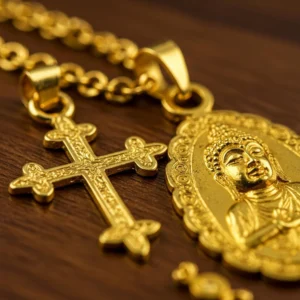
- Celtic Crosses: For those inspired by Celtic spirituality, necklaces featuring the intricate patterns of Celtic crosses can symbolize faith and eternal life.
- Camino de Santiago Shell Jewelry: The scallop shell is a traditional symbol associated with the Camino de Santiago pilgrimage in Spain. Necklaces or bracelets featuring this motif are perfect for travelers seeking spiritual renewal.jewellery wholesale thailand.
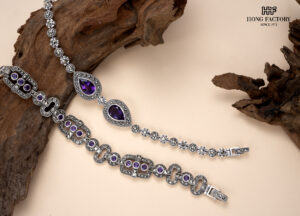
Gemstone Jewelry for Energy and Healing
Gemstones have long been revered for their metaphysical properties, making them an excellent choice for spiritual travelers.
- Amethyst Necklaces: Known for its calming energy and ability to enhance intuition, amethyst is ideal for travelers seeking inner peace during their journeys.
- Moonstone Pendants: Associated with new beginnings and emotional balance, moonstone is perfect for those embarking on transformative trips.
- Tourmaline Bracelets: This stone is believed to provide protection against negative energy while promoting grounding and peace—perfect for adventurers exploring unfamiliar places.
- Quartz Crystal Jewelry: Often called the “master healer,” quartz is thought to amplify positive energy and provide clarity. A quartz pendant or ring can help you stay focused on your intentions while traveling.
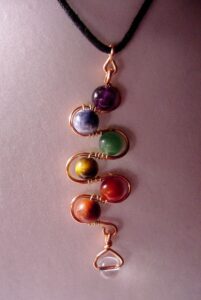
Chakra Jewelry for Balance
Chakra jewelry is designed to align the body’s energy centers (chakras), promoting balance and harmony during your travels.
- Chakra Stone Necklaces: These necklaces feature seven colorful gemstones corresponding to each chakra. They’re both visually striking and spiritually significant.
- Bracelets with Chakra Beads: Stretch bracelets adorned with chakra stones are easy to wear daily and serve as reminders to stay grounded and balanced.
- Amethyst Chakra Pendants: Combining the calming properties of amethyst with chakra alignment makes these pendants ideal for meditation or mindfulness practices on the go.
Personalized Spiritual Jewelry
Customizable jewelry allows you to create pieces that reflect your unique journey and intentions.
- Engraved Coordinates Necklaces: Personalize a bar necklace with the coordinates of a meaningful location, such as your favorite travel destination or a place that holds special memories.
- Initials or Names on Pendants: Add initials or names of loved ones to keep them close to your heart while traveling.
- Birthstone Jewelry: Incorporate your birthstone into a necklace or bracelet for a personal touch that also connects you to your astrological sign.
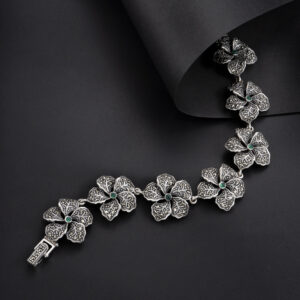
Nature-Inspired Spiritual Jewelry
Nature-inspired designs celebrate the beauty of the earth while fostering a sense of connection to the natural world.
- Shell Pendants: Perfect for beach lovers, shell necklaces evoke memories of seaside escapes while symbolizing protection and renewal.
- Floral Motifs: Jewelry featuring flowers like lotus blossoms or daisies can represent purity, growth, and new beginnings.
- Animal Totem Jewelry: Pieces featuring animals like birds (freedom), turtles (longevity), or butterflies (transformation) carry deep symbolic meanings tied to nature.
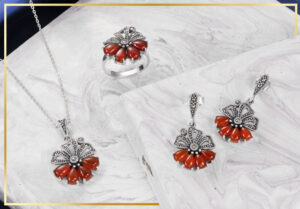
Practical Spiritual Accessories
Some spiritual jewelry combines style with functionality, making them practical companions for travel.
- Travel Safety Whistles: These necklaces feature small whistles engraved with protective symbols like crosses or scallop shells. They’re both meaningful talismans and useful tools in emergencies.
- Rosary Beads Necklaces: Rosaries serve as both prayer tools and elegant accessories. Opt for designs in gold or silver with multicolored beads for added beauty.
- Charm Bracelets with Travel Themes: Create a bracelet featuring charms like airplanes, compasses, or globes alongside spiritual symbols such as angels or Hamsa hands.
Tips for Choosing Spiritual Jewelry for Travel
When selecting spiritual jewelry for travel, consider these factors:
- Symbolic Meaning: Choose pieces that align with your personal beliefs or intentions. Whether it’s protection, healing, or mindfulness, ensure the symbolism resonates with you.
- Material Durability: Opt for high-quality materials like sterling silver or gold-plated designs that can withstand wear during travel.
- Lightweight Designs: Select lightweight pieces that are comfortable to wear throughout long days of exploration.
- Versatility: Look for jewelry that complements multiple outfits so you can pack light without sacrificing style.
- Cultural Sensitivity: If purchasing jewelry from another culture, take time to understand its significance to ensure respectful use.
Spiritual jewelry offers more than just aesthetic appeal—it serves as a meaningful companion on your travels by providing protection, inspiration, and connection. From protective talismans like St. Christopher pendants and evil eye charms to gemstone-adorned chakra necklaces promoting balance, there’s something for every traveler’s spiritual journey. By choosing pieces that resonate with your intentions and values, you can carry positive energy wherever you go while honoring diverse traditions along the way. Let your spiritual jewelry be both a stylish accessory and a source of strength as you explore the world!
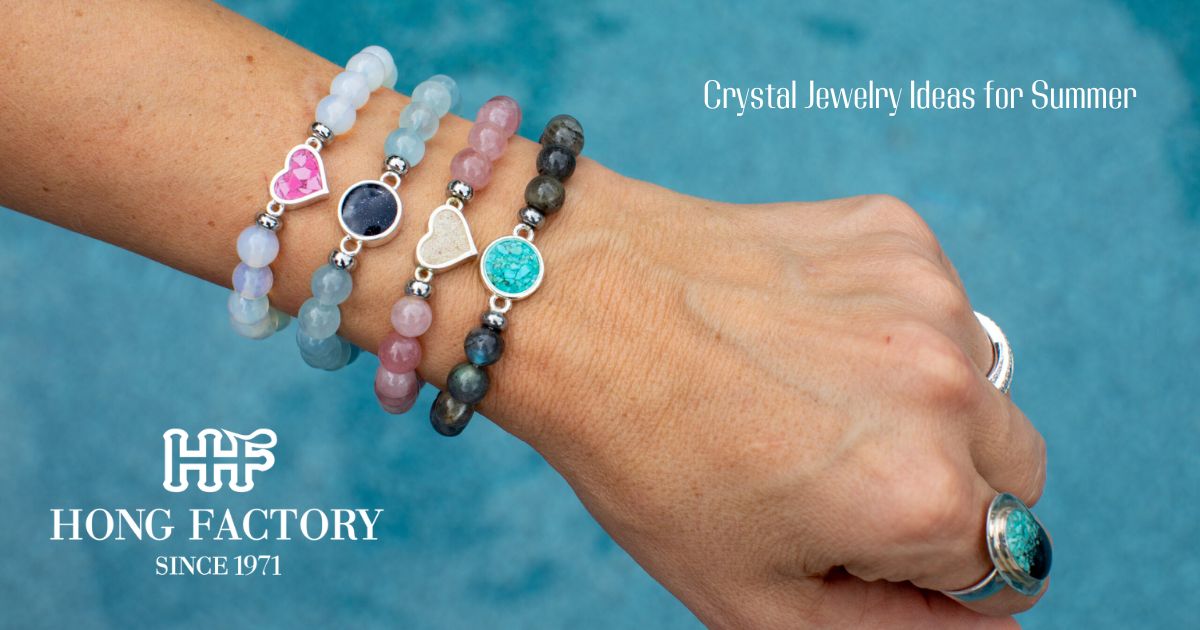
Whether you’re lounging on the beach, exploring the outdoors, or attending a festival, crystal jewelry offers both aesthetic charm and energetic benefits. These pieces aren’t just decorative they’re intentional, often worn for their healing properties, emotional balance, and connection to nature.
In this article, we explore the best crystal jewelry ideas for summer, from delicate pendants to vibrant bracelets, to help you express your style and energy all season long.
Crystal Jewelry Ideas for Summer
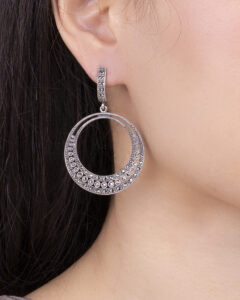
Why Choose Crystal Jewelry for Summer?
Crystals have been used for centuries to support wellness, focus, and inner peace. During summer, when energy is vibrant and active, crystal jewelry helps amplify your intentions and complement your seasonal mood.
Benefits of wearing crystal jewelry:
- Supports emotional and physical wellness
- Adds color and meaning to your outfits
- Creates a natural, earthy look for summer style
Let’s explore the most popular and impactful crystal jewelry styles for the season.
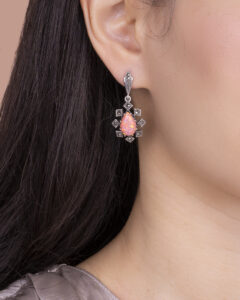
1. Rose Quartz for Love and Compassion
Soft pink and filled with gentle energy, rose quartz is a summer favorite. It promotes love, emotional healing, and self-compassion.
Jewelry ideas:
- Heart-shaped rose quartz pendant
- Beaded stretch bracelets
- Rose quartz rings with minimalist settings
Pair it with light fabrics and soft colors for a romantic summer vibe.
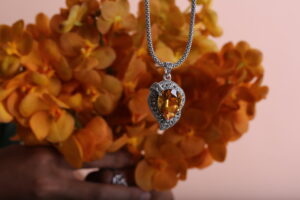
2. Citrine for Joy and Abundance
Known as the “sunshine stone,” citrine radiates positivity and confidence. It’s perfect for enhancing your mood and manifesting abundance.
Best styles:
- Citrine drop earrings
- Dainty layered necklaces
- Sunburst citrine rings
Citrine is perfect for summer adventures, sunny days, and goal-setting rituals.
3. Amethyst for Calm and Clarity
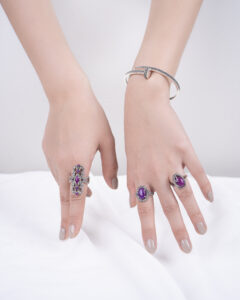
Even in the busy summer season, we all need calm. Amethyst supports peace of mind, restful sleep, and clear thinking.
Wear amethyst as:
- Crystal point pendants
- Raw amethyst stud earrings
- Amethyst bead bangles
Amethyst pairs beautifully with cool tones and is ideal for evening events or meditative summer moments.
4. Turquoise for Travel and Protection
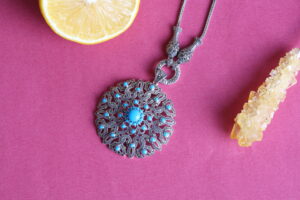
Turquoise is both fashionable and symbolic, long used for protection and safe travel. Its bright blue hue also complements summer palettes.
Style suggestions:
- Boho turquoise chokers
- Turquoise inlay cuffs
- Statement turquoise rings
Great for beachwear, festivals, or road trips where you want grounding energy and bold style.
5. Clear Quartz for Amplifying Intentions
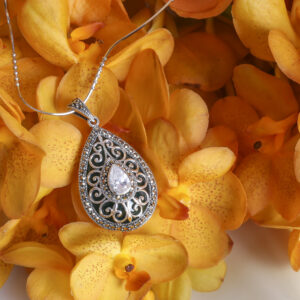
Clear quartz is a powerful all-purpose crystal. It enhances clarity and amplifies other stones’ energy, making it a great base for any summer jewelry set.
Try these designs:
- Crystal point pendants on long chains
- Layered quartz necklaces
- Stackable clear quartz bracelets
Clear quartz works with any outfit and can be dressed up or down.
6. Amazonite for Communication and Peace
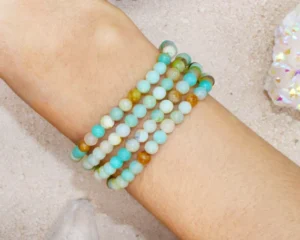
A beautiful green-blue stone, amazonite supports open communication, especially helpful during travel or group gatherings.
Best pieces:
- Amazonite bead necklaces
- Bar bracelets with polished stones
- Adjustable rings with oval cabochons
Amazonite’s fresh hue adds a calming and stylish touch to summer neutrals.
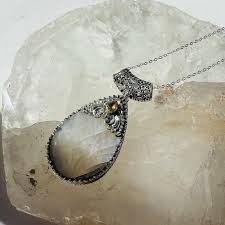
7. Moonstone for Intuition and Feminine Energy
Moonstone glows with a soft shimmer and supports intuition, inner strength, and emotional balance — especially in phases of change.
Great options:
- Moonstone drop earrings
- Crescent moon pendants
- Delicate moonstone stacking rings
This ethereal stone pairs well with flowy dresses and soft summer evenings.
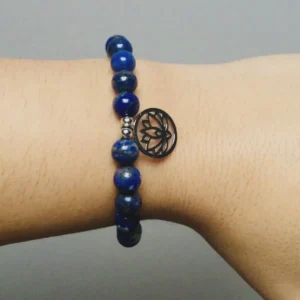
8. Lapis Lazuli for Confidence and Expression
Deep blue lapis lazuli empowers confidence and authentic expression. It’s bold, elegant, and packed with presence.
Jewelry ideas:
- Lapis pendant necklaces with gold trim
- Geometric lapis earrings
- Mixed gemstone cuffs featuring lapis
Wear lapis when presenting, performing, or meeting new people this summer.
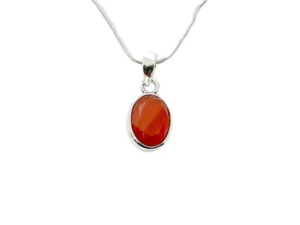
9. Carnelian for Motivation and Creativity
With its fiery orange-red color, carnelian energizes creativity and courage. It’s a great companion for artists, performers, or those embracing summer goals.
Include in:
- Chunky carnelian bracelets
- Pendant necklaces with polished stones
- Matching ring and earring sets
This stone pops with vibrant summer colors like yellow, coral, and white.
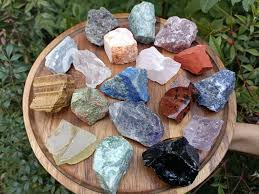
10. Mixed Crystal Sets for Everyday Versatility
Can’t pick just one? A mixed crystal jewelry set lets you enjoy the benefits and beauty of multiple stones.
Components to include:
- A bracelet stack with 3–5 types of crystals
- A pendant necklace with a crystal cluster
- Earrings with alternating stones
Mixing crystals lets you personalize your energy each day and pair them with every outfit.
Tips for Wearing Crystal Jewelry in Summer
1. Choose Skin-Friendly Settings
Opt for hypoallergenic and non-tarnish metals to prevent irritation in the heat.
2. Cleanse Your Crystals
Sunlight, water, or smudging can refresh your crystals’ energy — especially after travel or long days.
3. Match Crystals to Your Intentions
Select stones based on what you want to attract or support during the season.
4. Layer for Style and Impact
Stack bracelets or layer necklaces for a dynamic, fashion-forward look.
Crystal jewelry is more than a summer trend — it’s a way to combine style with purpose. Whether you’re drawn to soft moonstone, radiant citrine, or grounding turquoise, there’s a piece that resonates with your summer vibe. Let your accessories reflect your energy. Embrace the season with crystal pieces that shine, heal, and inspire — all while elevating your everyday style.