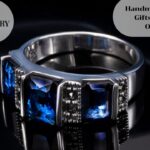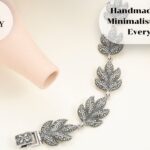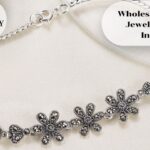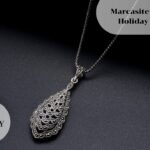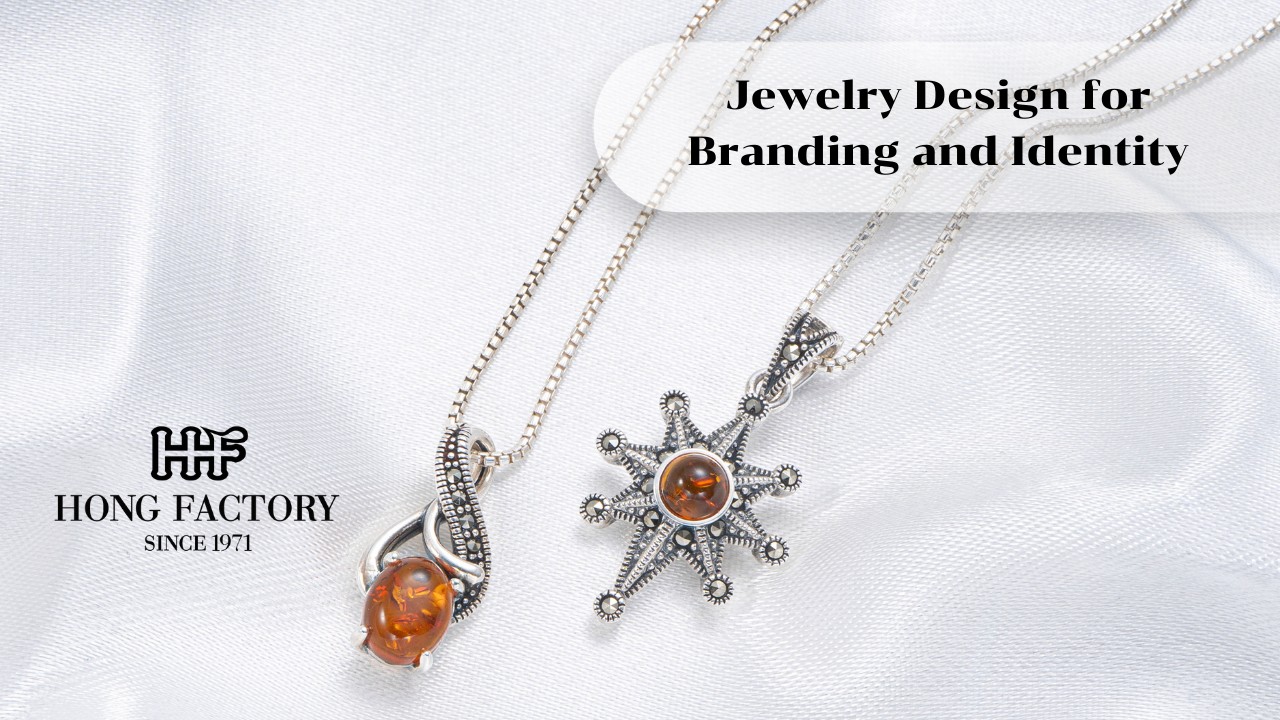
Jewelry design is one of the strongest tools a brand has to communicate its identity. Beyond materials and aesthetics, design expresses values, personality, positioning, and promise. For silver and marcasite jewelry brands, intentional jewelry design for branding and identity creates recognition, trust, and long-term differentiation in a crowded market. Marcasite jewelry
This article explains how jewelry design shapes brand identity, how to align design with brand strategy, and practical ways brands can build a cohesive, recognizable design language.
Why Branding Matters in Jewelry Design
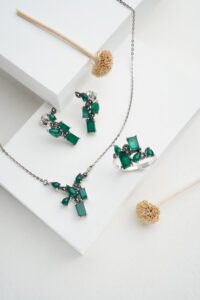
Design is brand language.
Before customers read a description or learn a story, they see the jewelry. Design instantly communicates:
- Brand personality and tone
- Target audience and price positioning
- Craftsmanship level and values
- Consistency and professionalism
Strong branding turns jewelry into a signature, not a commodity.
Understanding Brand Identity in Jewelry
Brand identity is the sum of perception.
In jewelry, identity is shaped by:
- Design style and aesthetics
- Materials and finishing choices
- Emotional and symbolic messaging
- Consistency across collections
Every design decision reinforces—or weakens—brand identity.
Defining Your Jewelry Brand Personality
Personality guides design direction.
Common Jewelry Brand Archetypes
Jewelry brands often align with identities such as:
- Elegant and timeless
- Vintage and romantic
- Modern and minimalist
- Bold and artistic
- Ethical and nature-inspired
A clear personality ensures design coherence.
Translating Brand Values into Design
Values must be visible.
Design Expressions of Brand Values
- Sustainability: timeless designs, durable construction
- Luxury: refined proportions, clean finishing
- Craftsmanship: intricate detailing, precision settings
- Accessibility: balanced pricing and wearable design
Design should visually reflect what the brand stands for.
Creating a Signature Design Language
Recognition builds memorability.
Elements of a Signature Style
A strong jewelry brand often repeats:
- Specific shapes or silhouettes
- Consistent stone placement patterns
- Distinctive finishes or textures
- Recognizable motifs or symbols
Repetition creates identity without monotony.
Using Silver and Marcasite to Define Identity
Materials reinforce brand character.
Silver as a Brand Foundation
Sterling silver communicates:
- Versatility and approachability
- Clean, modern elegance
- Longevity and quality
Silver supports a wide range of brand personalities.
Marcasite as a Branding Element
Marcasite adds:
- Vintage heritage and depth
- Subtle sophistication
- Craftsmanship storytelling
Its restrained sparkle differentiates brands from mass-market jewelry.
Consistency Across Jewelry Collections
Consistency builds trust.
Maintaining Design Cohesion
Brands should ensure:
- Core design elements appear across collections
- New designs feel like natural extensions
- Seasonal or limited releases still reflect brand DNA
Consistency does not limit creativity—it focuses it.
Jewelry Design and Brand Positioning
Design signals price and market position.
Design Cues and Positioning
- Minimalist, refined designs suggest premium positioning
- Intricate detailing implies craftsmanship value
- Balanced, wearable styles indicate everyday luxury
Design should align with the intended customer and price point.
Branding Through Emotional Design
Emotion strengthens identity.
Jewelry brands build identity by:
- Using symbolism and storytelling
- Designing for gifting and milestones
- Creating collections with narrative themes
Emotion turns design into connection.
Jewelry Design for Brand Recognition Online
Digital visibility amplifies branding.
Design for Visual Consistency
Online branding benefits from:
- Designs that photograph consistently
- Clear focal points and silhouettes
- Recognizable patterns in product imagery
Strong visual identity improves recall in e-commerce and social media.
Branding in Wholesale and Retail Environments
Design clarity supports partnerships.
Wholesale buyers prefer brands with:
- Clear and recognizable style
- Cohesive collections
- Easy-to-explain design story
Strong identity increases retailer confidence.
Evolving Brand Identity Without Losing Recognition
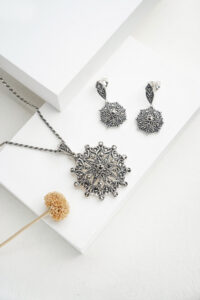
Brands must grow carefully.
Controlled Evolution Strategies
- Introduce new elements gradually
- Maintain core signature designs
- Test changes through limited collections
Evolution should feel intentional, not abrupt.
Avoiding Common Branding Mistakes in Jewelry Design
Mistakes dilute identity.
Mistakes to Avoid
- Chasing trends without brand alignment
- Mixing unrelated design styles
- Inconsistent quality or finishing
Discipline protects brand equity.
Measuring the Strength of Design Branding
Feedback validates identity.
Brands can assess branding success through:
- Customer recognition and recall
- Repeat purchase behavior
- Retailer and wholesale feedback
Strong branding produces loyalty.
Long-Term Value of Jewelry Design for Branding
Brand-driven design compounds value.
Brands with clear design identity:
- Compete on meaning, not price
- Build emotional loyalty
- Achieve long-term differentiation
Design becomes a strategic asset.
Conclusion
Jewelry design for branding and identity goes far beyond aesthetics. It defines how a brand is perceived, remembered, and trusted. By aligning design choices with brand personality, values, and positioning—and by using silver and marcasite thoughtfully—jewelry brands can create a distinctive, cohesive identity that resonates across collections and generations. In a competitive market, strong design branding is not optional; it is the foundation of lasting success.